
Title
Workers And Welfare: Comparative Institutional Change In Twentiethcentury Mexico (Pitt Latin American Series),Used
Sold by Ergodebooks, an authorized reseller.
Returns accepted within 30 days | support@ergodebooks.com
Shipping Information
- Free Standard Shipping — United States only
- Processing Time: 3–5 business days
- Estimated Delivery: 6–10 business days after dispatch
- Double-boxed, fully insured & discreetly packaged
- Tracking number sent via email once dispatched
Returns & Refund
Returns accepted within 30 days of delivery.
Damaged or Defective Item
Free return shipping + replacement or full refund
Wrong Item Received
Free return shipping + replacement or full refund
Change of Mind
Return shipping at customer's expense · 25% restocking fee applies
Payment Option

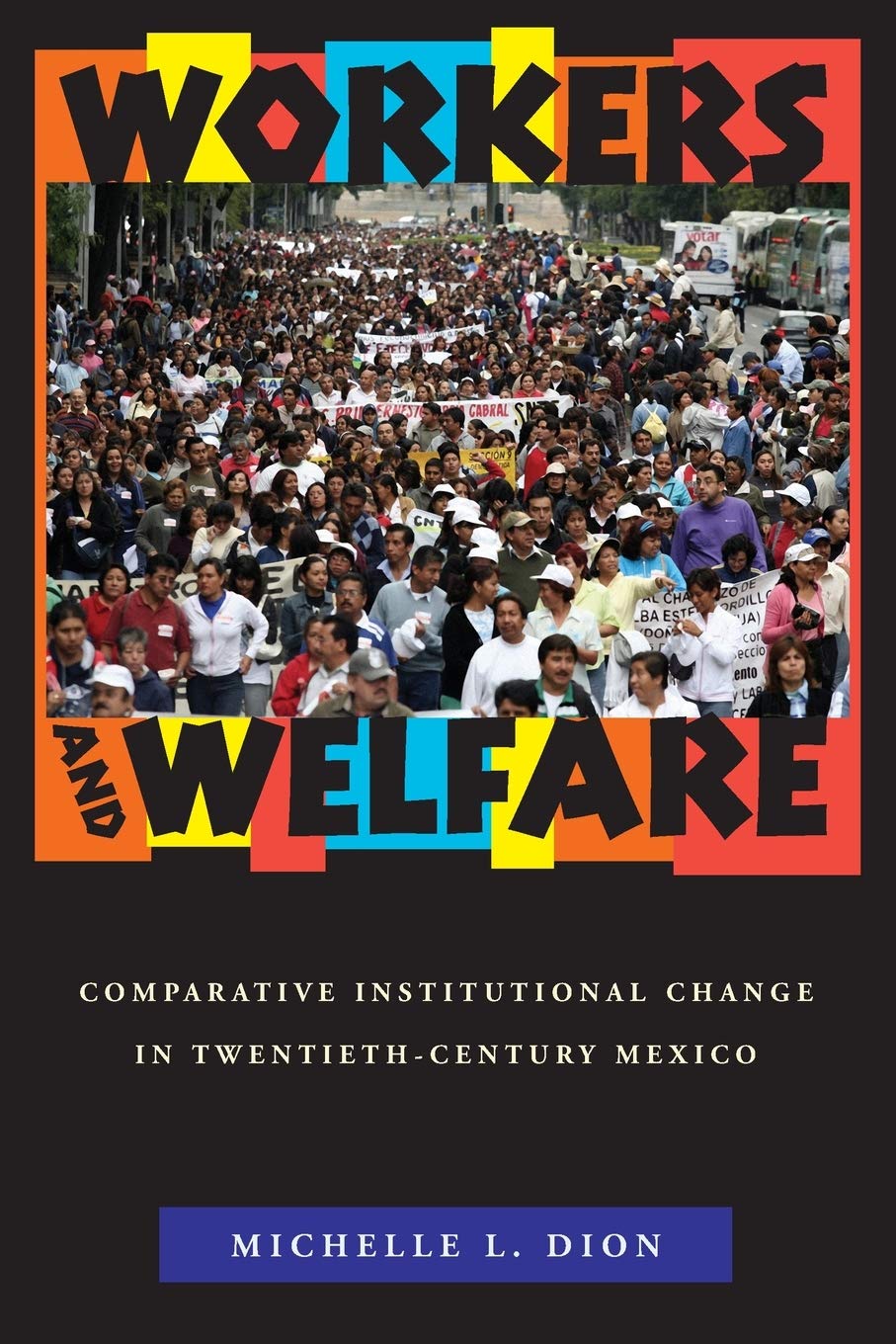
After the revolutionary period of 19101920, Mexico developed a number of social protection programs to support workers in public and private sectors and to establish safeguards for the poor and the aged. These included pensions, healthcare, and worker's compensation. The new welfare programs were the product of a complex interrelationship of corporate, labor, and political actors. In this unique dynamic, crossclass coalitions maintained both an authoritarian regime and social protection system for some seventy years, despite the ebb and flow of political and economic tides.By focusing on organized labor, and its powerful role in effecting institutional change, Workers and Welfare chronicles the development and evolution of Mexican social insurance institutions in the twentieth century. Beginning with the antecedents of social insurance and the adoption of pension programs for central government workers in 1925, Dion's analysis shows how the labor movement, up until the 1990s, was instrumental in expanding welfare programs, but has since become largely ineffective. Despite steppedup efforts, labor has seen the retrenchment of many benefits. Meanwhile, Dion cites the debt crisis, neoliberal reform, and resulting changes in the labor market as all contributing to a rise in poverty. Today, Mexican welfare programs emphasize poverty alleviation, in a marked shift away from social insurance benefits for the working class.
⚠️ WARNING (California Proposition 65):
This product may contain chemicals known to the State of California to cause cancer, birth defects, or other reproductive harm.
For more information, please visit www.P65Warnings.ca.gov.