
Title
Working Stiffs: Occupational Portraits in the Age of Tintypes,Used
Sold by Ergodebooks, an authorized reseller.
Returns accepted within 30 days | support@ergodebooks.com
Shipping Information
- Free Standard Shipping — United States only
- Processing Time: 3–5 business days
- Estimated Delivery: 6–10 business days after dispatch
- Double-boxed, fully insured & discreetly packaged
- Tracking number sent via email once dispatched
Returns & Refund
Returns accepted within 30 days of delivery.
Damaged or Defective Item
Free return shipping + replacement or full refund
Wrong Item Received
Free return shipping + replacement or full refund
Change of Mind
Return shipping at customer's expense · 25% restocking fee applies
Payment Option

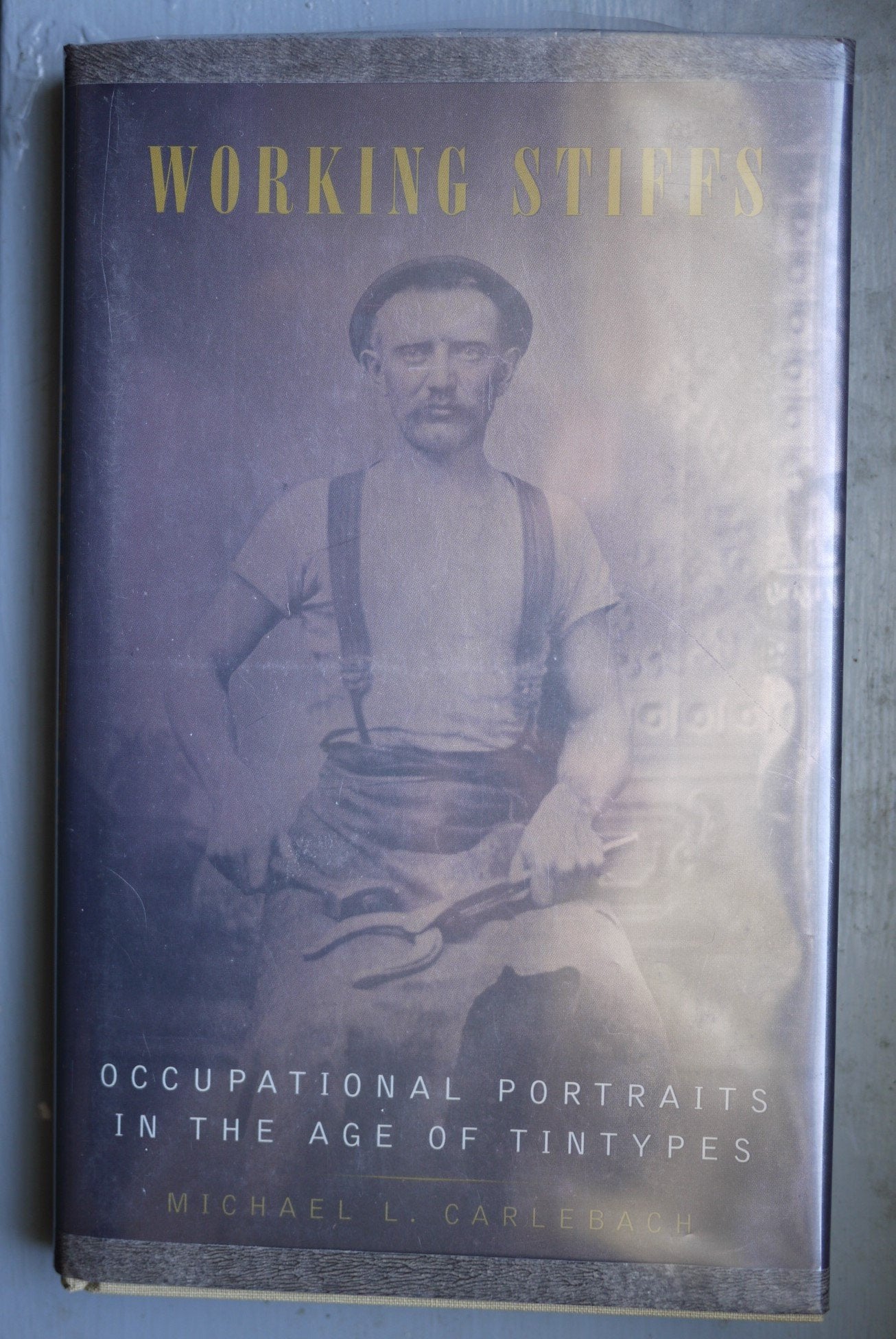
The tintype, patented in 1856, was a cheap, fast, easytomake, practically indestructible type of photograph that became enormously popular among the working class in the late nineteenth century. For common laborers and their families, the opportunity to join the ranks of those who owned pictures of family and friendsthe upper classeswas momentous. This collection exhibits more than eighty examples of a specific kind of tintype: occupational portraits, photographs of working people with the tools of their trade. Michael L. Carlebach examines the historical significance of these tintypes and finds that they reveal a great deal about late nineteenthcentury values.The subjects of these images are plumbers proudly holding their wrenches and pipe cutters, carpenters with their saws and lathing hatchets, textile workers with their spindles and yarn, icemen with their tongs. These people lived and worked at a time when a depersonalized factory system run by production and efficiency experts was beginning to dominate American industry and culture. Many of the men and women in these tintypes were part of a disappearing class of selfemployed artisans and journeymen; their portraits proudly stress their individuality and the essential nobility of their work.The most common reaction of historians to tintypes has been undisguised contempt or, at best, indifference. The photographs were generally seen as hopelessly unartistic and common. Yet Carlebach celebrates these anonymous portraits and finds that they say as much about today's working Americanswho are much more likely to document their toys and leisure activities than their professionsas they do about the working men and women who proudly sat for them in a much different age.
⚠️ WARNING (California Proposition 65):
This product may contain chemicals known to the State of California to cause cancer, birth defects, or other reproductive harm.
For more information, please visit www.P65Warnings.ca.gov.