
Title
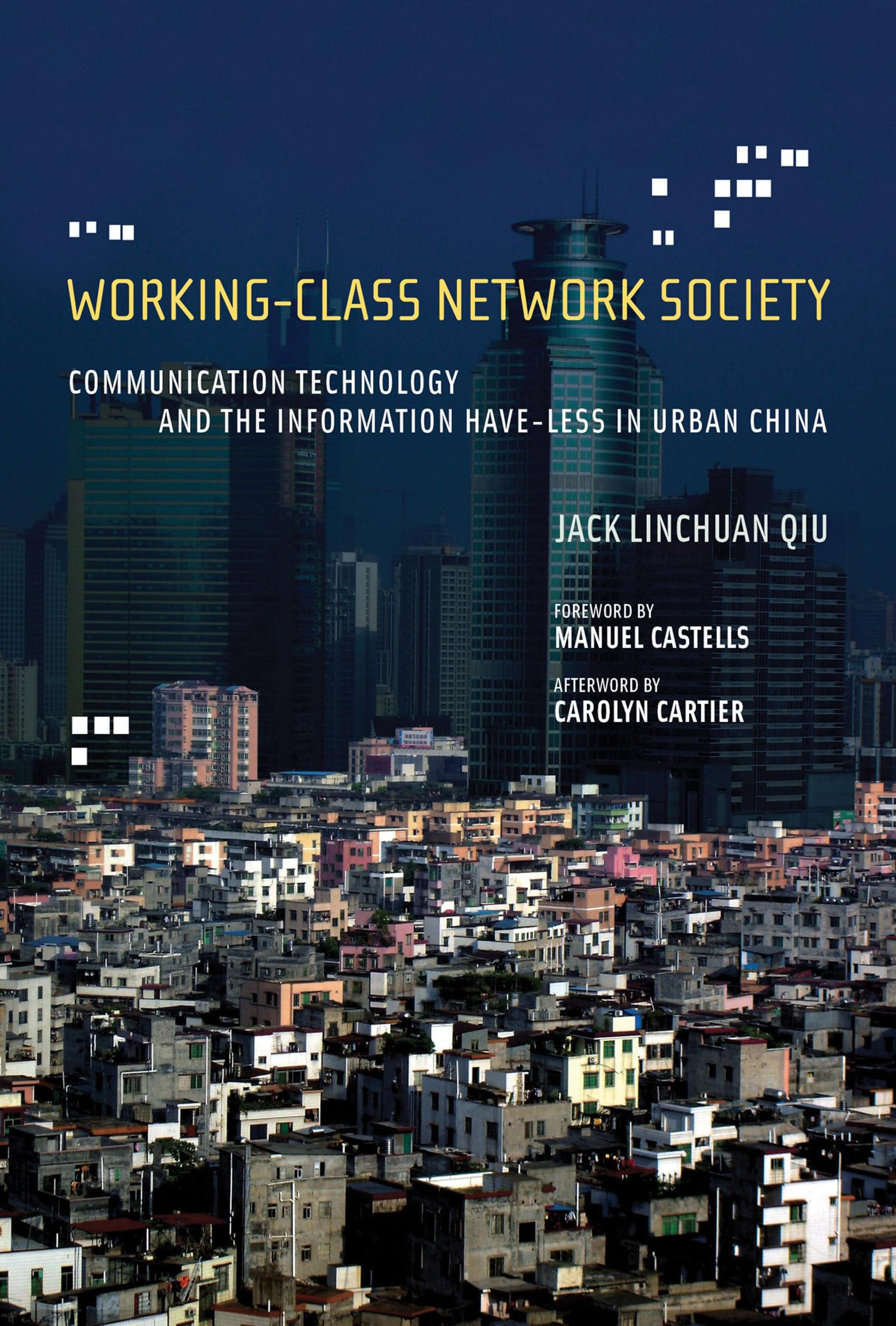
WorkingClass Network Society: Communication Technology and the Information HaveLess in Urban China (Information Revolution and,Used
Sold by Ergodebooks, an authorized reseller.
Returns accepted within 30 days | support@ergodebooks.com
Shipping Information
- Free Standard Shipping — United States only
- Processing Time: 3–5 business days
- Estimated Delivery: 6–10 business days after dispatch
- Double-boxed, fully insured & discreetly packaged
- Tracking number sent via email once dispatched
Returns & Refund
Returns accepted within 30 days of delivery.
Damaged or Defective Item
Free return shipping + replacement or full refund
Wrong Item Received
Free return shipping + replacement or full refund
Change of Mind
Return shipping at customer's expense · 25% restocking fee applies
Payment Option

An examination of how the availability of lowend information and communication technology has provided a basis for the emergence of a workingclass network society in China.The idea of the digital divide, the great social division between information haves and havenots, has dominated policy debates and scholarly analysis since the 1990s. In WorkingClass Network Society, Jack Linchuan Qiu describes a more complex social and technological reality in a newly mobile, urbanizing China. Qiu argues that as inexpensive Internet and mobile phone services become available and are closely integrated with the everyday work and life of lowincome communities, they provide a critical seedbed for the emergence of a new working class of network labor crucial to China's economic boom. Between the haves and havenots, writes Qiu, are the information haveless: migrants, laidoff workers, microentrepreneurs, retirees, youth, and others, increasingly connected by cybercafs, prepaid service, and used mobile phones. A process of class formation has begun that has important implications for workingclass network society in China and beyond. Qiu brings class back into the scholarly discussion, not as a secondary factor but as an essential dimension in our understanding of communication technology as it is shaped in the vast, industrializing society of China. Basing his analysis on his more than five years of empirical research conducted in twenty cities, Qiu examines technology and class, networked connectivity and public policy, in the context of massive urban reforms that affect the new working class disproportionately. The transformation of Chinese society, writes Qiu, is emblematic of the new technosocial reality emerging in much of the Global South.
⚠️ WARNING (California Proposition 65):
This product may contain chemicals known to the State of California to cause cancer, birth defects, or other reproductive harm.
For more information, please visit www.P65Warnings.ca.gov.