
Title

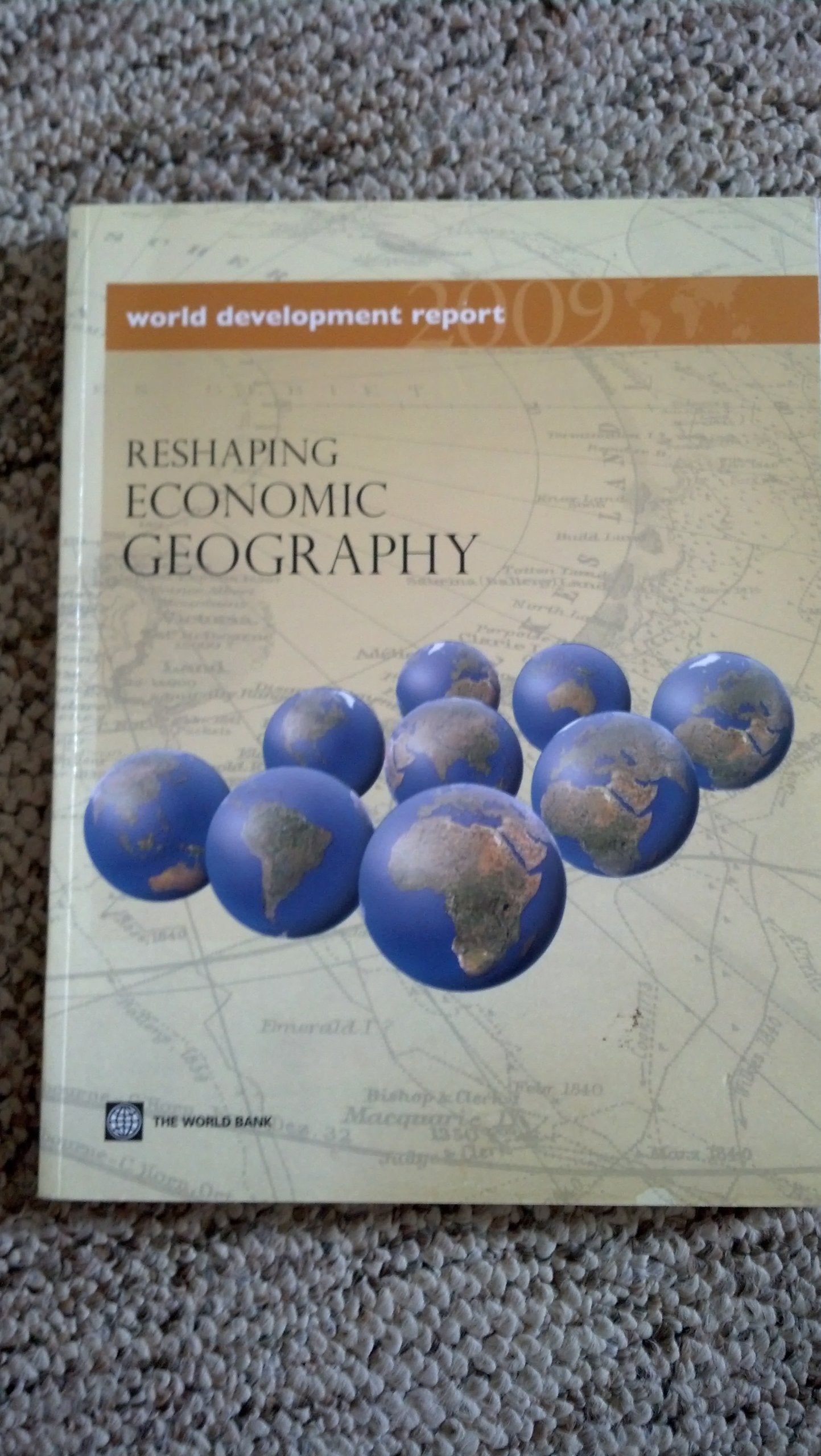
World Development Report 2009: Reshaping Economic Geography (World Development Report (Paperback)),Used
Sold by Ergodebooks, an authorized reseller.
Returns accepted within 30 days | support@ergodebooks.com
Shipping Information
- Free Standard Shipping — United States only
- Processing Time: 3–5 business days
- Estimated Delivery: 6–10 business days after dispatch
- Double-boxed, fully insured & discreetly packaged
- Tracking number sent via email once dispatched
Returns & Refund
Returns accepted within 30 days of delivery.
Damaged or Defective Item
Free return shipping + replacement or full refund
Wrong Item Received
Free return shipping + replacement or full refund
Change of Mind
Return shipping at customer's expense · 25% restocking fee applies
Payment Option

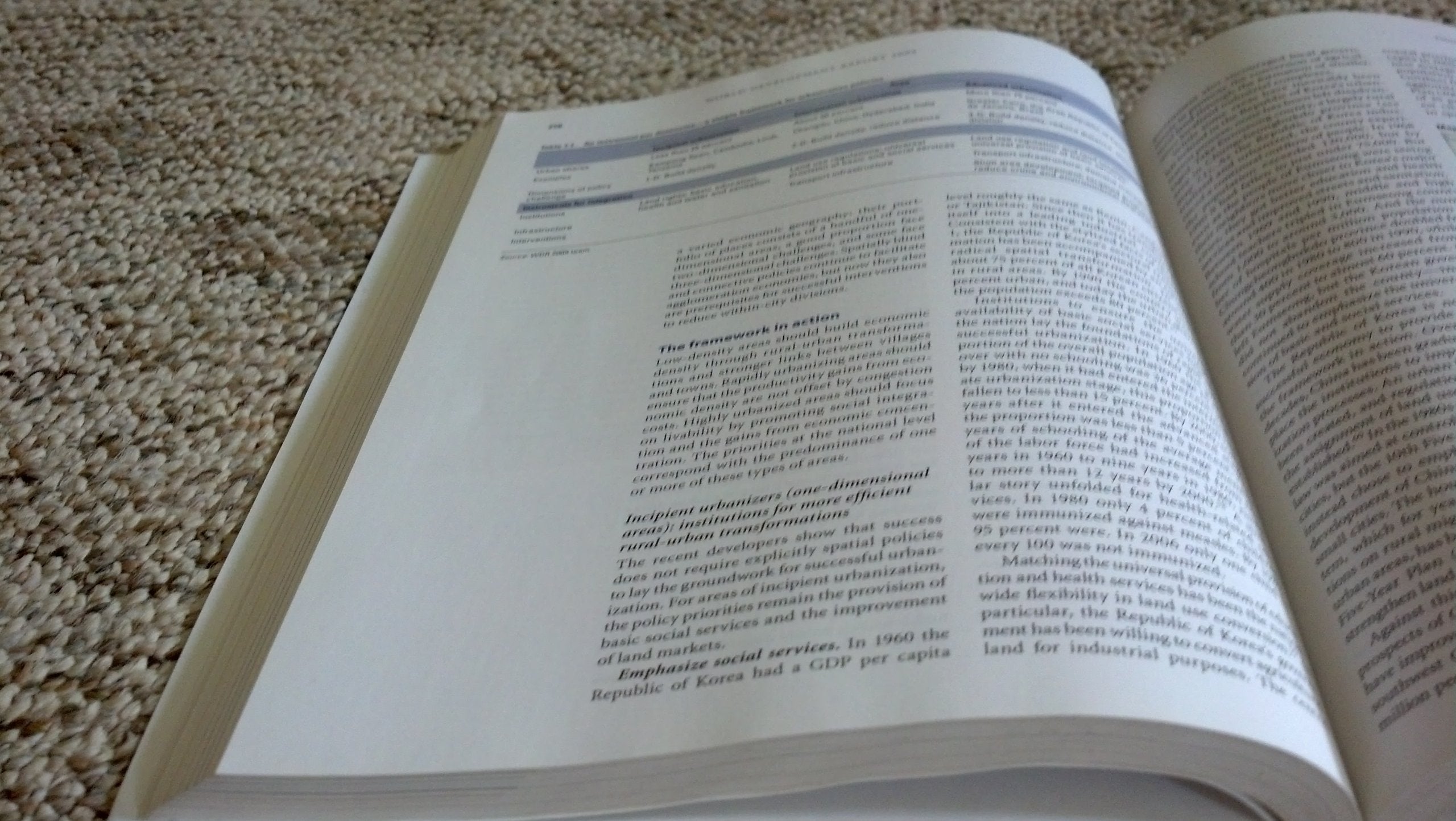
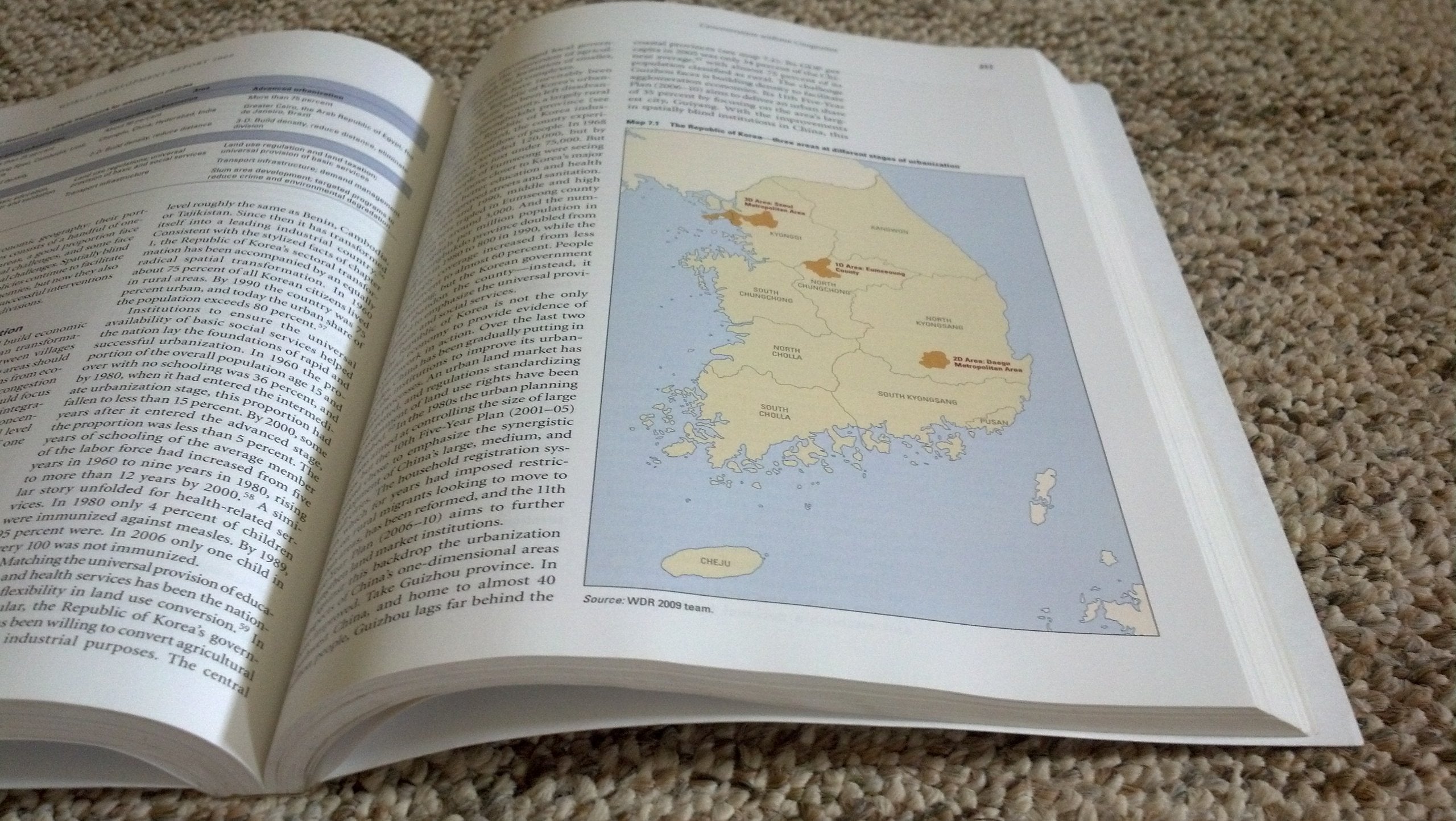
Rising densities of human settlements, migration and transport to reduce distances to market, and specialization and trade facilitated by fewer international divisions are central to economic development. The transformations along these three dimensionsdensity, distance, and divisionare most noticeable in North America, Western Europe, and Japan, but countries in Asia and Eastern Europe are changing in ways similar in scope and speed. 'World Development Report 2009: Reshaping Economic Geography' concludes that these spatial transformations are essential, and should be encouraged. The conclusion is not without controversy. Slumdwellers now number a billion, but the rush to cities continues. Globalization is believed to benefit many, but not the billion people living in lagging areas of developing nations. High poverty and mortality persist among the world's 'bottom billion', while others grow wealthier and live longer lives. Concern for these three billion often comes with the prescription that growth must be made spatially balanced. The WDR has a different message: economic growth is seldom balanced, and efforts to spread it out prematurely will jeopardize progress. The Report: documents how production becomes more concentrated spatially as economies grow. proposes economic integration as the principle for promoting successful spatial transformations. revisits the debates on urbanization, territorial development, and regional integration and shows how today's developers can reshape economic geography.
⚠️ WARNING (California Proposition 65):
This product may contain chemicals known to the State of California to cause cancer, birth defects, or other reproductive harm.
For more information, please visit www.P65Warnings.ca.gov.