
Title
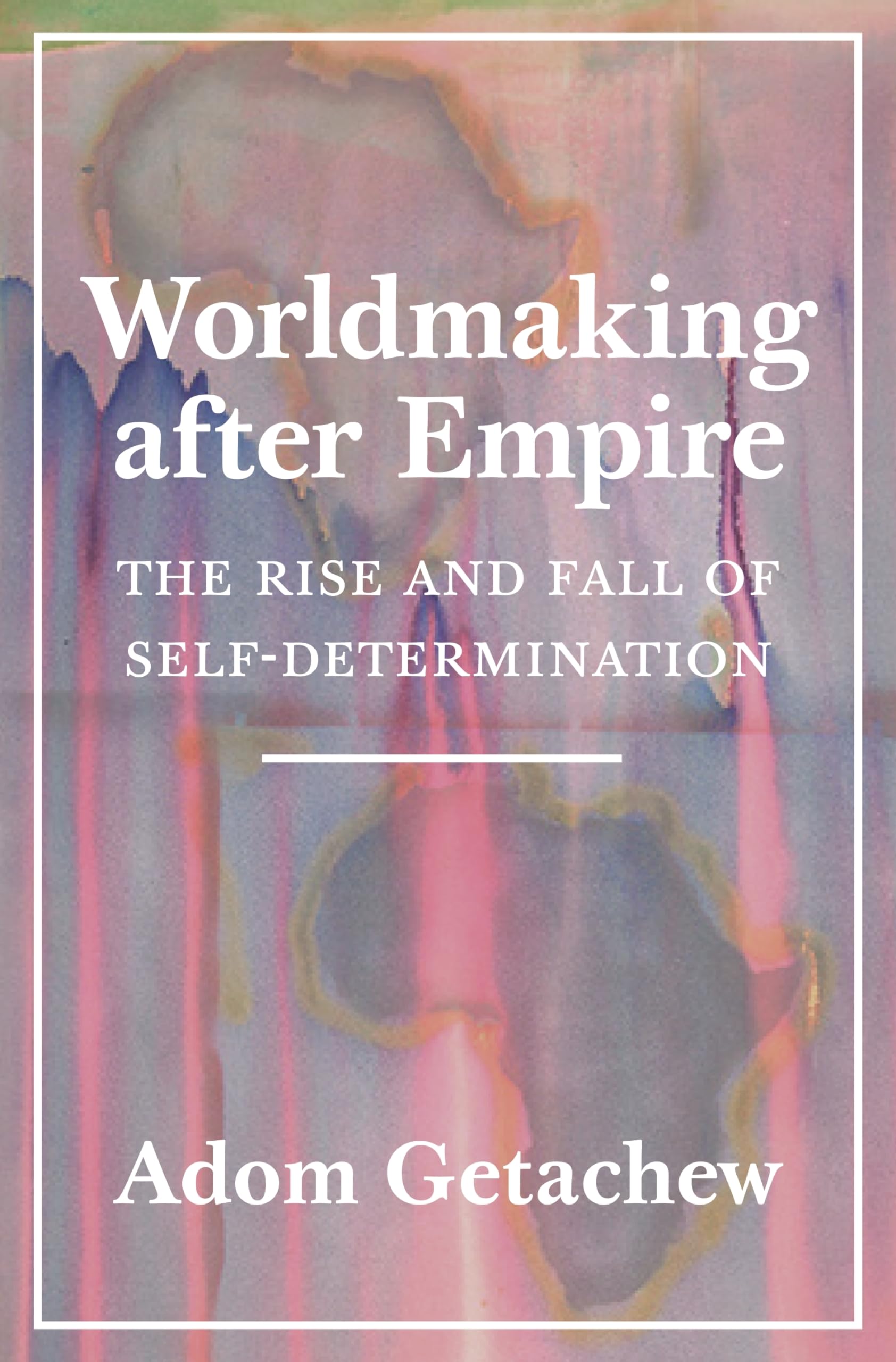
Worldmaking after Empire: The Rise and Fall of SelfDetermination,Used
Sold by Ergodebooks, an authorized reseller.
Returns accepted within 30 days | support@ergodebooks.com
Shipping Information
- Free Standard Shipping — United States only
- Processing Time: 3–5 business days
- Estimated Delivery: 6–10 business days after dispatch
- Double-boxed, fully insured & discreetly packaged
- Tracking number sent via email once dispatched
Returns & Refund
Returns accepted within 30 days of delivery.
Damaged or Defective Item
Free return shipping + replacement or full refund
Wrong Item Received
Free return shipping + replacement or full refund
Change of Mind
Return shipping at customer's expense · 25% restocking fee applies
Payment Option

Decolonization revolutionized the international order during the twentieth century. Yet standard histories that present the end of colonialism as an inevitable transition from a world of empires to one of nationsa world in which selfdetermination was synonymous with nationbuildingobscure just how radical this change was. Drawing on the political thought of anticolonial intellectuals and statesmen such as Nnamdi Azikiwe, W.E.B Du Bois, George Padmore, Kwame Nkrumah, Eric Williams, Michael Manley, and Julius Nyerere, this important new account of decolonization reveals the full extent of their unprecedented ambition to remake not only nations but the world.Adom Getachew shows that African, African American, and Caribbean anticolonial nationalists were not solely or even primarily nationbuilders. Responding to the experience of racialized sovereign inequality, dramatized by interwar Ethiopia and Liberia, Black Atlantic thinkers and politicians challenged international racial hierarchy and articulated alternative visions of worldmaking. Seeking to create an egalitarian postimperial world, they attempted to transcend legal, political, and economic hierarchies by securing a right to selfdetermination within the newly founded United Nations, constituting regional federations in Africa and the Caribbean, and creating the New International Economic Order.Using archival sources from Barbados, Trinidad, Ghana, Switzerland, and the United Kingdom, Worldmaking after Empire recasts the history of decolonization, reconsiders the failure of anticolonial nationalism, and offers a new perspective on debates about todays international order.
⚠️ WARNING (California Proposition 65):
This product may contain chemicals known to the State of California to cause cancer, birth defects, or other reproductive harm.
For more information, please visit www.P65Warnings.ca.gov.
- Q: What is the main theme of 'Worldmaking after Empire'? A: 'Worldmaking after Empire' explores the radical changes brought about by decolonization and challenges the conventional narrative of nation-building, highlighting the ambitions of anticolonial thinkers to reshape not just nations but the global order.
- Q: Who is the author of this book? A: The book is authored by Adom Getachew, who provides a comprehensive analysis of the political thought of various anticolonial intellectuals and statesmen.
- Q: What is the publication date of 'Worldmaking after Empire'? A: 'Worldmaking after Empire' was published on February 5, 2019.
- Q: How many pages are in the book? A: The book contains 288 pages.
- Q: What is the condition of the book being sold? A: The book is in new condition.
- Q: What format is 'Worldmaking after Empire' available in? A: The book is available in hardcover format.
- Q: What topics does 'Worldmaking after Empire' cover? A: The book covers topics related to decolonization, self-determination, international racial hierarchy, and the political thought of notable anticolonial figures.
- Q: Is there any special focus on particular regions in the book? A: Yes, the book focuses on perspectives from Africa, the African American experience, and the Caribbean, discussing the contributions of various anticolonial nationalists.
- Q: What type of audience would benefit from reading this book? A: Readers interested in political history, decolonization, international relations, and anticolonial movements will find this book valuable.
- Q: Are there any archival sources used in 'Worldmaking after Empire'? A: Yes, the author uses archival sources from countries such as Barbados, Trinidad, Ghana, Switzerland, and the United Kingdom to support the analysis.