
Title
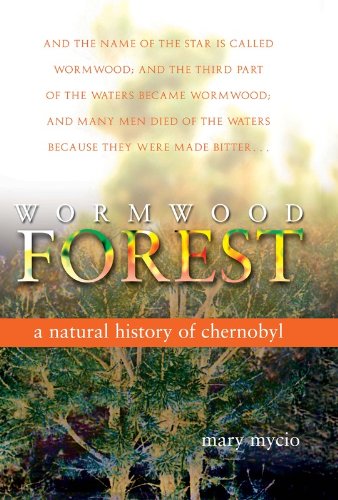
Wormwood Forest: A Natural History Of Chernobyl,Used
Sold by Ergodebooks, an authorized reseller.
Returns accepted within 30 days | support@ergodebooks.com
Shipping Information
- Free Standard Shipping — United States only
- Processing Time: 3–5 business days
- Estimated Delivery: 6–10 business days after dispatch
- Double-boxed, fully insured & discreetly packaged
- Tracking number sent via email once dispatched
Returns & Refund
Returns accepted within 30 days of delivery.
Damaged or Defective Item
Free return shipping + replacement or full refund
Wrong Item Received
Free return shipping + replacement or full refund
Change of Mind
Return shipping at customer's expense · 25% restocking fee applies
Payment Option

When A Titanic Explosion Ripped Through The Number Four Reactor At The Chernobyl Nuclear Plant In 1986, Spewing Flames And Chunks Of Burning, Radioactive Material Into The Atmosphere, One Of Our Worst Nightmares Came True. As The News Gradually Seeped Out Of The Ussr And The Extent Of The Disaster Was Realized, It Became Clear How Horribly Wrong Things Had Gone. Dozens Died Two From The Explosion And Many More From Radiation Illness During The Following Months While Scores Of Additional Victims Came Down With Acute Radiation Sickness. Hundreds Of Thousands Were Evacuated From The Most Contaminated Areas. The Prognosis For Chernobyl And Its Environs Succinctly Dubbed The Zone Of Alienation Was Grim.Today, 20 Years After The Worst Nuclear Power Plant Accident In History, Intrepid Journalist Mary Mycio Dons Dosimeter And Camouflage Protective Gear To Explore The World'S Most Infamous Radioactive Wilderness. As She Tours The Zone To Report On The Disaster'S Longterm Effects On Its Human, Faunal, And Floral Inhabitants, She Meets Pockets Of Defiant Local Residents Who Have Remained Behind To Survive And Make A Life In The Zone. And She Is Shocked To Discover That The Area Surrounding Chernobyl Has Become Europe'S Largest Wildlife Sanctuary, A Flourishing At Times Unearthly Wilderness Teeming With Large Animals And A Variety Of Birds, Many Of Them Members Of Rare And Endangered Species. Like The Forests, Fields, And Swamps Of Their Unexpectedly Inviting Habitat, Both The People And The Animals Are All Radioactive. Cesium137 Is Packed In Their Muscles And Strontium90 In Their Bones. But Quite Astonishingly, They Are Also Thriving.If Fears Of The Apocalypse And A Lifeless, Barren Radioactive Future Have Been Constant Companions Of The Nuclear Age, Chernobyl Now Shows Us A Different View Of The Future. A Vivid Blend Of Reportage, Popular Science, And Illuminating Encounters That Explode The Myths Of Chernobyl With Facts That Are At Once Beautiful And Horrible, Wormwood Forest Brings A Remarkable Land And Its People And Animals To Life To Tell A Unique Story Of Science, Surprise And Suspense.
⚠️ WARNING (California Proposition 65):
This product may contain chemicals known to the State of California to cause cancer, birth defects, or other reproductive harm.
For more information, please visit www.P65Warnings.ca.gov.
- Q: What is the page count of 'Wormwood Forest: A Natural History of Chernobyl'? A: The book has two hundred seventy-six pages. It provides a comprehensive exploration of the Chernobyl disaster and its aftermath.
- Q: What type of binding does this book have? A: This book is a hardcover edition. The durable binding ensures longevity and protection for the pages inside.
- Q: Who is the author of 'Wormwood Forest'? A: The author is Mary Mycio. She is an intrepid journalist known for her in-depth reporting on environmental issues.
- Q: What is the size of the book? A: The dimensions of the book are five point five one inches in length, zero point seven five inches in width, and nine point five inches in height. This size makes it portable for readers.
- Q: What genre does this book belong to? A: This book is categorized under Environmental literature. It combines elements of science, reportage, and personal encounters.
- Q: How does the author explore the Chernobyl disaster? A: Mary Mycio explores the disaster through firsthand accounts and scientific facts. She investigates the long-term effects on human and wildlife populations in the area.
- Q: Is this book suitable for young readers? A: The book is aimed at adult readers due to its complex themes and mature content. It discusses serious topics like radiation and environmental impacts.
- Q: What themes are covered in 'Wormwood Forest'? A: The book covers themes of survival, environmental recovery, and the juxtaposition of life in a radioactive zone. It also addresses misconceptions about Chernobyl.
- Q: How should I handle and store this book? A: Store it in a cool, dry place to prevent moisture damage. Keeping it on a shelf upright will help maintain its shape and condition.
- Q: Can I read this book if I am not familiar with environmental science? A: Yes, the book is written for a general audience. It explains scientific concepts in an accessible way for all readers.
- Q: Is there any content in the book that might be disturbing? A: Yes, the book contains descriptions of radiation sickness and the aftermath of a nuclear disaster. Readers sensitive to these topics should be aware.
- Q: What makes 'Wormwood Forest' unique compared to other environmental books? A: This book uniquely combines personal narrative with scientific exploration. It provides a vivid portrayal of life in the Chernobyl exclusion zone.
- Q: What type of audience would enjoy this book? A: Readers interested in environmental science, journalism, and unique human stories will find this book appealing. It offers a blend of facts and compelling narratives.
- Q: What can I expect to learn from this book? A: You can expect to learn about the ecological recovery of Chernobyl and the resilience of both its human and animal inhabitants. The book challenges common misconceptions.
- Q: How does the book address the concept of wildlife in Chernobyl? A: The book highlights Chernobyl as Europe's largest wildlife sanctuary, showcasing how nature has thrived in the absence of human activity despite radiation.