
Title
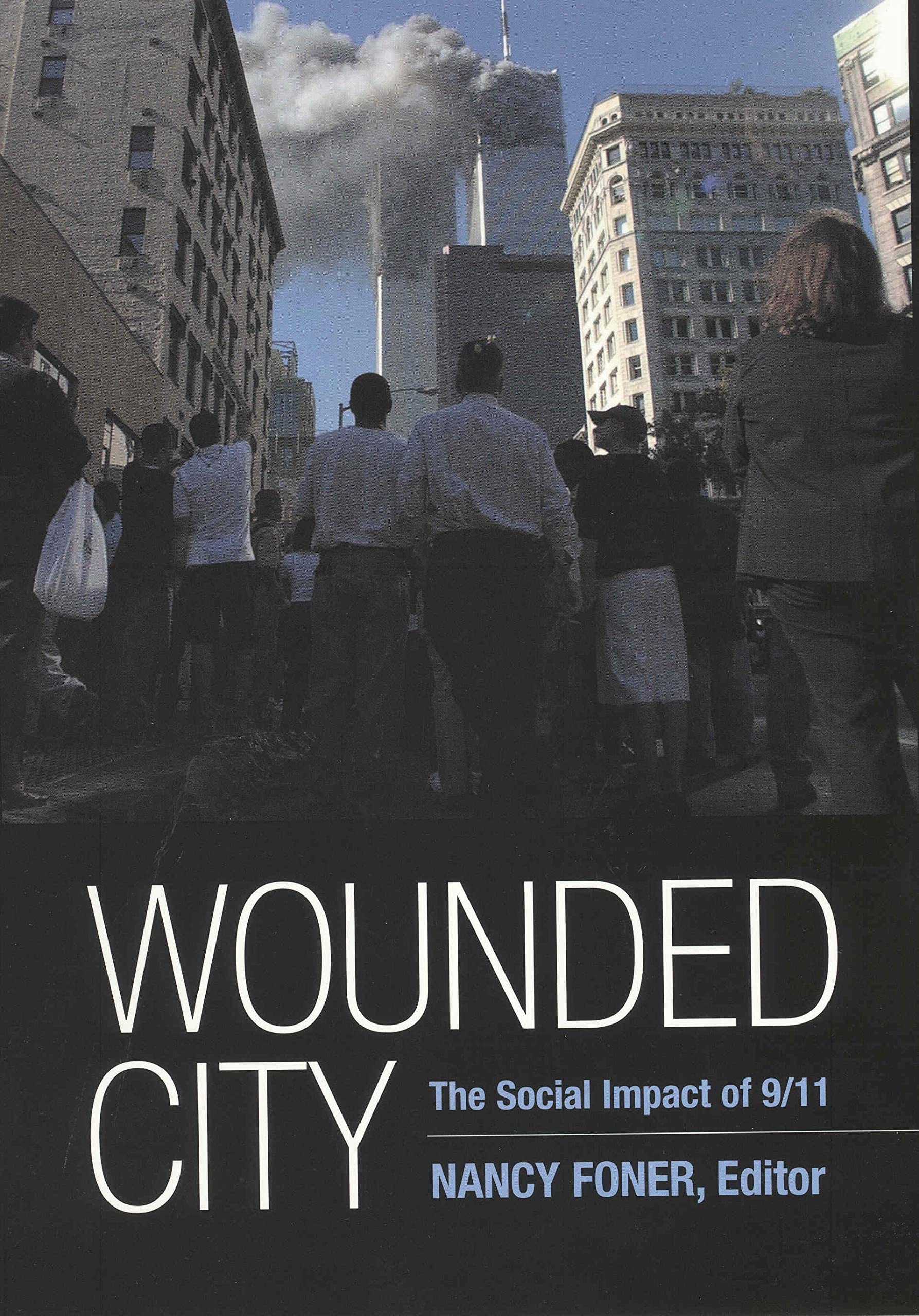
Wounded City: The Social Impact of 9/11 on New York City (The September 11th Initiative),Used
Sold by Ergodebooks, an authorized reseller.
Returns accepted within 30 days | support@ergodebooks.com
Shipping Information
- Free Standard Shipping — United States only
- Processing Time: 3–5 business days
- Estimated Delivery: 6–10 business days after dispatch
- Double-boxed, fully insured & discreetly packaged
- Tracking number sent via email once dispatched
Returns & Refund
Returns accepted within 30 days of delivery.
Damaged or Defective Item
Free return shipping + replacement or full refund
Wrong Item Received
Free return shipping + replacement or full refund
Change of Mind
Return shipping at customer's expense · 25% restocking fee applies
Payment Option

New York has eight million deeply personal and unique stories of pain and perseverance from September 11, 2001. But the toll of tragedy is greater than the anguish it inflicts on individualscommunities suffer as well. In Wounded City, editor Nancy Foner brings together an accomplished group of scholars to document how a broad range of communitiesresidential, occupational, ethnic, and civicwere affected and changed by the World Trade Center attacks. Using survey data and indepth ethnographies, the book offers sophisticated analysis and gives voice to the human experiences behind the summary statistics, revealing how the nature of these communities shaped their response to the disaster. Sociologists Philip Kasinitz, Gregory Smithsimon, and Binh Pok highlight the importance of physical space in the recovery process by comparing life after 9/11 in two neighborhoods close to ground zeroTribeca, which is nestled close to the city's downtown, and Battery Park City, which is geographically and structurally separated from other sections of the city. Melanie Hildebrandt looks at how social solidarity changed in a predominantly Irish, middle class community that was struck twice with tragedy: the loss of many residents on 9/11 and a deadly plane crash two months later. Jennifer Bryan shows that in the face of hostility and hate crimes, many Arab Muslims in Jersey City stressed their adherence to traditional Islam. Contributor Karen Seeley interviews psychotherapists who faced the challenge of trying to help patients deal with a tragedy that they themselves were profoundly affected by. Economist Daniel Beunza and sociologist David Stark paint a picture of organizational resilience as they detail how securities traders weathered successive crises after evacuating their downtown office and moving temporarily to New Jersey. Francesca Polletta and Lesley Wood look at a hopeful side of a horrible tragedy: civic involvement in town meetings and public deliberations to discuss what should be done to rebuild at ground zero and help New Yorkers create a better future in the footprints of disaster. New Yorkers suffered tremendous losses on September 11, 2001: thousands of lives, billions of dollars, the symbols of their skyline, and their peace of mind. But not lost in the rubble of the World Trade Center were the residential, ethnic, occupational, and organizational communities that make up New York's rich mosaic. Wounded City gives voice to some of those communities, showing how they dealt with unforeseen circumstances that created or deepened divisions, yet at the same brought them together in suffering and hope. It is a unique look at the aftermath of a devastating day and the vitality of a diverse city. A Russell Sage Foundation September 11 Initiative Volume
⚠️ WARNING (California Proposition 65):
This product may contain chemicals known to the State of California to cause cancer, birth defects, or other reproductive harm.
For more information, please visit www.P65Warnings.ca.gov.