
Title
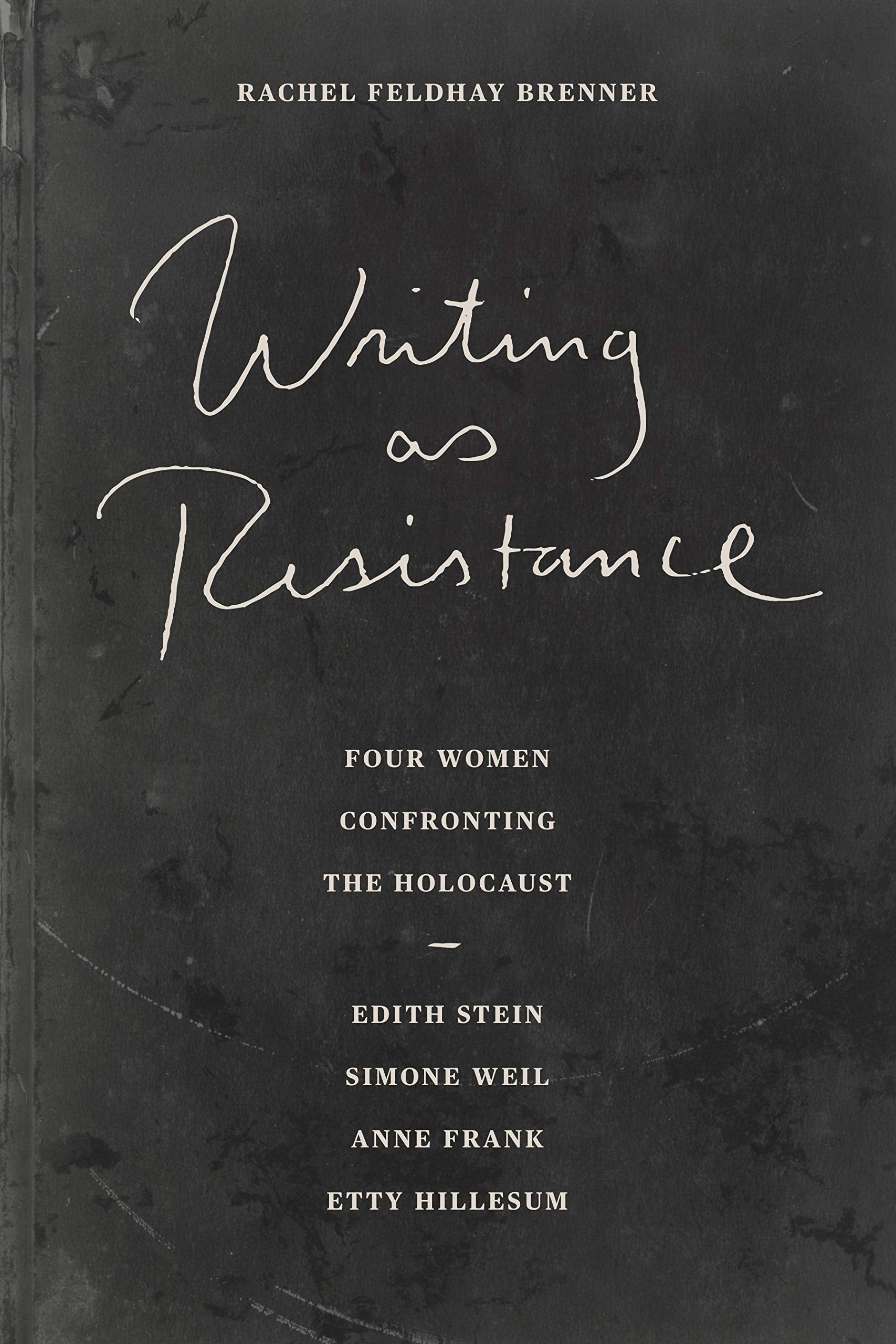
Writing As Resistance: Four Women Confronting The Holocaust: Edith Stein, Simone Weil, Anne Frank, Etty Hillesum
Sold by Ergodebooks, an authorized reseller.
Returns accepted within 30 days | support@ergodebooks.com
Shipping Information
- Free Standard Shipping — United States only
- Processing Time: 3–5 business days
- Estimated Delivery: 6–10 business days after dispatch
- Double-boxed, fully insured & discreetly packaged
- Tracking number sent via email once dispatched
Returns & Refund
Returns accepted within 30 days of delivery.
Damaged or Defective Item
Free return shipping + replacement or full refund
Wrong Item Received
Free return shipping + replacement or full refund
Change of Mind
Return shipping at customer's expense · 25% restocking fee applies
Payment Option

In This Moving Account Of The Life, Work, And Ethics Of Four Jewish Women Intellectuals In The World Of The Holocaust, Rachel Feldhay Brenner Explores The Ways In Which These Women Sought To Maintain Their Faith In Humanity While Aware Of Intensifying Destruction. She Argues That Through Their Written Responses Of Autobiographical Selfassertion, Edith Stein, Simone Weil, Anne Frank, And Etty Hillesum Resisted The Nazi Terror In Ways That Defy Its Horrifying Dehumanization.Personal Identity Crises Engendered The Intellectualspiritual Acts Of Autobiographical Selfsearching For Each Of These Women. About To Become A Nun In 1933, Edith Stein Embarked On Her Autobiography As A Daughter Of A Jewish Family. Fleeing France And Deportation In 1942, Simone Weil Examined Her Inner Struggle With Faith And The Church In Her Spiritual Autobiography. Hiding For More Than Two Years In The Attic, Anne Frank Poignantly Confided In Her Diary About Her Efforts To Become A Better Person. Having Volunteered As A Social Worker In Westerbork, Etty Hillesum Searched Her Soul For Love In The Reality Of Terror. In Each Case, Autobiographical Writing Becomes An Act Of Defiance That Asserts Humanity In A Dehumanized/Dehumanizing World.By Focusing On The Four Women'S Accomplishments As Intellectuals, Writers, And Thinkers, Brenner'S Account Liberates Them From Other Posthumous Treatments That Depict Them As Symbols Of Altruism, Sanctity, And Victimization. Her Approach Also Elucidates The Particular Predicament Of Western Jewish Intellectuals Who Trusted The Ideals Of The Enlightenment And Believed In Human Fellowship. While Suffering The Terror Of Physical Annihilation Decreed By The Final Solution, These Jews Had To Contend With Their Exclusion From The World That They Considered Theirs. On Yet Another Level, This Study Of Four Extraordinary Life Stories Contributes To A Deeper Understanding Of The Postwar Development Of Ethical, Theological, And Feminist Thought. In Showing Concern About A World That Had Ceased To Care For Them, Stein, Weil, Frank, And Hillesum Demonstrated That The Meaning Of Human Existence Consisted In The Responsibility For The Other, In The Protection Of The Suffering God, In The Primary Value Of Relatedness Through Empathy. Arguing That Their Ethical Tenets Anticipated The Thought Of Such Postwar Thinkers As Levinas, Fackenheim, Tillich, Arendt, And Nodding, Brenner Proposes That The Breakup Of The Humanist Tradition Of The Enlightenment In The Holocaust Engendered The Postwar Exploration Of Humanist Potential In Selfgivenness To The Other.
⚠️ WARNING (California Proposition 65):
This product may contain chemicals known to the State of California to cause cancer, birth defects, or other reproductive harm.
For more information, please visit www.P65Warnings.ca.gov.
- Q: How many pages does the book have? A: The book contains two hundred twenty-four pages. This length provides an in-depth exploration of the lives and thoughts of four remarkable Jewish women during the Holocaust.
- Q: What is the binding type of this book? A: This book is a hardcover edition. The durable binding ensures that it will withstand frequent reading and handling.
- Q: What are the dimensions of the book? A: The book measures six inches in length, zero point seven one inches in width, and nine point zero two inches in height. These dimensions make it a manageable size for reading.
- Q: Who is the author of this book? A: The author is Rachel Feldhay Brenner. She is known for her insightful analyses of Jewish intellectuals and their experiences.
- Q: What category does this book fall under? A: This book is categorized under Jewish studies. It delves into the lives of Jewish women during the Holocaust.
- Q: What themes are explored in this book? A: The book explores themes of resilience, identity, and the struggle for faith during the Holocaust. It focuses on the intellectual and spiritual journeys of its subjects.
- Q: Is this book suitable for young readers? A: This book is recommended for older teens and adults. Its themes are complex and address serious historical events that may not be suitable for younger audiences.
- Q: How should I approach reading this book? A: Readers are encouraged to reflect on the historical context and the emotional weight of the narratives. Engaging with the book thoughtfully enhances the reading experience.
- Q: Can I use this book for academic purposes? A: Yes, this book is suitable for academic study. It provides valuable insights and analyses that are relevant for courses on Holocaust studies, feminism, and Jewish history.
- Q: What is the best way to care for this book? A: To care for the book, store it upright in a cool, dry place, and avoid exposing it to direct sunlight. This will help preserve its condition.
- Q: Is there a specific way to clean this book? A: Yes, clean the book by gently dusting the cover with a soft, dry cloth. Avoid using water or cleaning solutions, as they can damage the binding.
- Q: What if my book arrives damaged? A: If the book arrives damaged, you should contact the seller for a return or exchange. Most sellers have policies in place for damaged items.
- Q: Does this book have any special features? A: The book does not contain any special features like illustrations or photographs. It focuses solely on the text and analysis of the four women's lives.
- Q: How does this book compare to other works about the Holocaust? A: This book offers a unique perspective by focusing specifically on the intellectual and spiritual journeys of four women, rather than a broader historical narrative.
- Q: What sets this book apart from other biographies? A: This book highlights the philosophical and ethical implications of the women's writings, rather than simply recounting their life stories. It offers a deeper analysis of their resistance.