If you have any questions, you are always welcome to contact us. We'll get back to you as soon as possible, withing 24 hours on weekdays.
Customer service
All questions about your order, return and delivery must be sent to our customer service team by e-mail at yourstore@yourdomain.com
Sale & Press
If you are interested in selling our products, need more information about our brand or wish to make a collaboration, please contact us at press@yourdomain.com
Help
If you have any questions, you are always welcome to contact us. We'll get back to you as soon as possible, withing 24 hours on weekdays.
Customer service
All questions about your order, return and delivery must be sent to our customer service team by e-mail at yourstore@yourdomain.com
Sale & Press
If you are interested in selling our products, need more information about our brand or wish to make a collaboration, please contact us at press@yourdomain.com
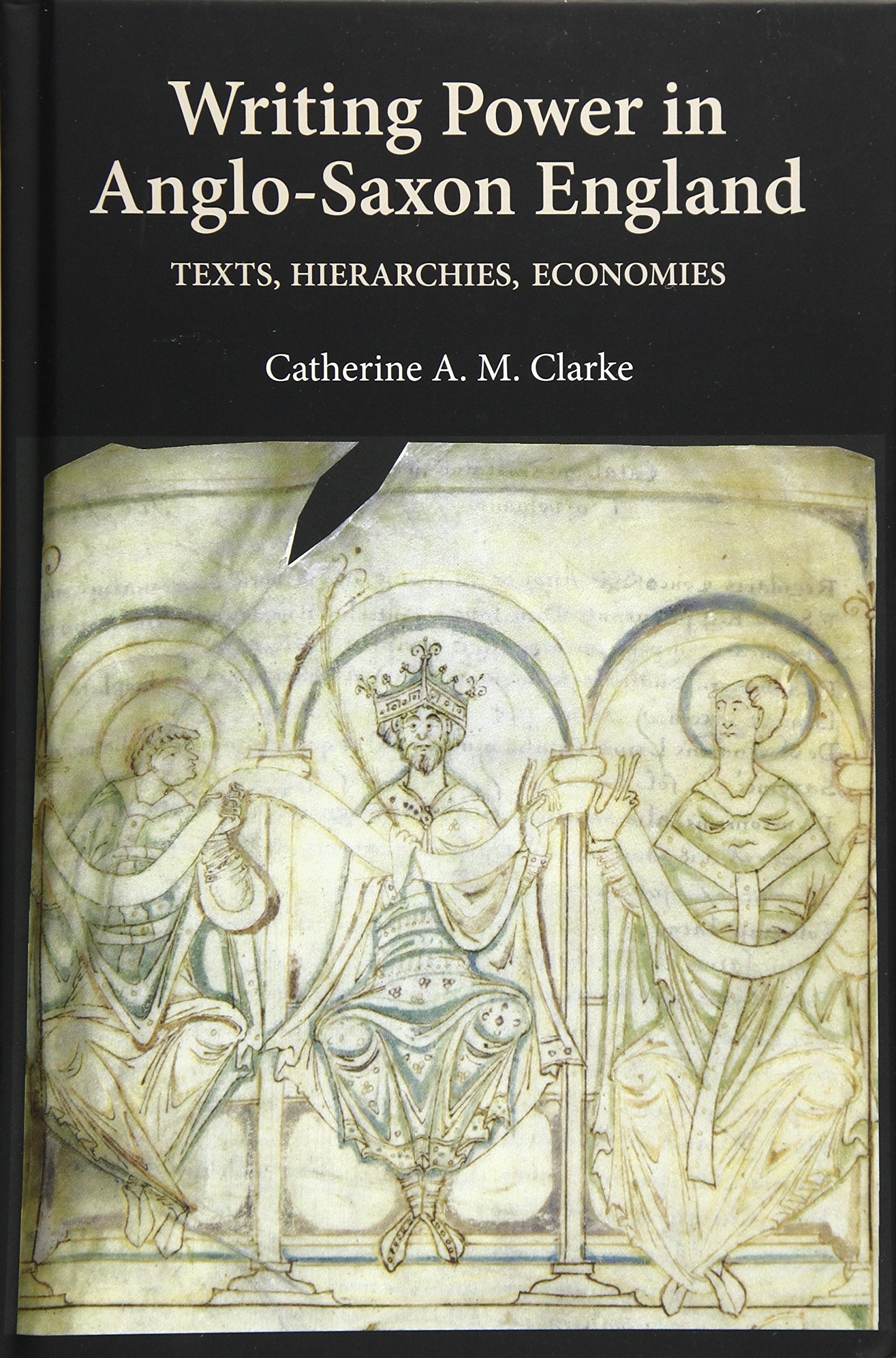
New study of the complexities of how power operates in a number of AngloSaxon texts.A work of fine and nuanced intelligence... Skilled and learned readings of a number of important texts. Fluent, polished, and beautifully written. Dr Katy Cubitt, University of York.The formation and operation of systems of power and patronage in AngloSaxon England are currently the focus of concerted scholarly attention. This book explores how power is shaped and negotiated in later AngloSaxon texts, focusing in particular on how hierarchical, vertical structures are presented alongside patterns of reciprocity and economies of mutual obligation, especially within the context of patronage relationships (whether secular, spiritual, literal or symbolic). Through closeanalysis of a wide selection of sources in the vernacular and Latin (including the Guthlac poems of the Exeter Book, Old English verse epitaphs, the acrostic poetry of Abbo of Fleury, the Encomium Emmae Reginae and Libellus thelwoldi Episcopi), the study examines how texts sustain dual ways of seeing and understanding power, generating a range of imaginative possibilities along with tensions, ambiguities and instances of disguise or euphemism. It also advances new arguments about the ideology and rhetoric of power in the early medieval period.Catherine A.M. Clarke is Professor in English, University of Southampton.
⚠️ WARNING (California Proposition 65):
This product may contain chemicals known to the State of California to cause cancer,
birth defects, or other reproductive harm.
For MAP (Minimum Advertised Price) violations and Intellectual Property (IP) or Trademark concerns, please contact:
support@ergodebooks.com
⚠️ California Proposition 65 Warning: Some products sold on this website may expose you to chemicals known to the State of California to cause cancer, birth defects, or other reproductive harm. For more information, visit www.P65Warnings.ca.gov.