
Title
Writing The Forest In Early Modern England: A Sylvan Pastoral Nation (Medieval & Renaissance Literary Studies),Used
Sold by Ergodebooks, an authorized reseller.
Returns accepted within 30 days | support@ergodebooks.com
Shipping Information
- Free Standard Shipping — United States only
- Processing Time: 3–5 business days
- Estimated Delivery: 6–10 business days after dispatch
- Double-boxed, fully insured & discreetly packaged
- Tracking number sent via email once dispatched
Returns & Refund
Returns accepted within 30 days of delivery.
Damaged or Defective Item
Free return shipping + replacement or full refund
Wrong Item Received
Free return shipping + replacement or full refund
Change of Mind
Return shipping at customer's expense · 25% restocking fee applies
Payment Option

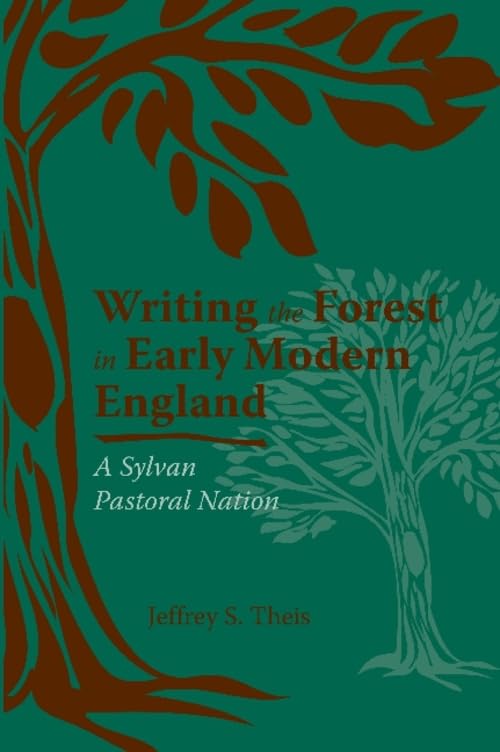
In Writing the Forest in Early Modern England: A Sylvan Pastoral Nation, Jeffrey S. Theis focuses on pastoral Literary Studies in early modern England as an emerging form of nature writing. In particular, Theis analyzes what happens when pastoral writing is set in forestswhat he terms sylvan pastoral. During the sixteenth and seventeenth centuries, forests and woodlands played an instrumental role in the formation of individual and national identities in England. Although environmentalism as we know it did not yet exist, persistent fears of timber shortages led to a larger anxiety about the status of forests. Perhaps more important, forests were dynamic and contested sites of largely undeveloped spaces where the poor would migrate in a time of rising population when land became scarce. And in addition to being a place where the poor would go, the forest also was a playground for monarchs and aristocrats where they indulged in the symbolically rich sport of hunting. Conventional pastoral Literary Studies, then, transforms when writers use it to represent and define forests and the multiple ways in which English society saw these places. In exploring these themes, authors expose national concerns regarding deforestation and forest law and present views relating to land ownership, nationhood, and the individuals relationship to nature. Of particular interest are the ways in which cultures turn confusing spaces into known places and how this process is shaped by nature, history, gender, and class. Theis examines the playing out of these issues in familiar works by Shakespeare, such as A Midsummer Nights Dream, The Merry Wives of Windsor, and As You Like It, Andrew Marvells Upon Appleton House, John Miltons Mask and Paradise Lost, as well as in lesser known prose works of the English Revolution, such as James Howells Dendrologia and John Evelyns Sylva. As a unique ecocritical study of forests in early modern English Literary Studies, Writing the Forest makes an important contribution to the growing field of the history of environmentalism, and will be of interest to those working in literary and cultural history as well as philosophers concerned with nature and space theory.
⚠️ WARNING (California Proposition 65):
This product may contain chemicals known to the State of California to cause cancer, birth defects, or other reproductive harm.
For more information, please visit www.P65Warnings.ca.gov.