
Title
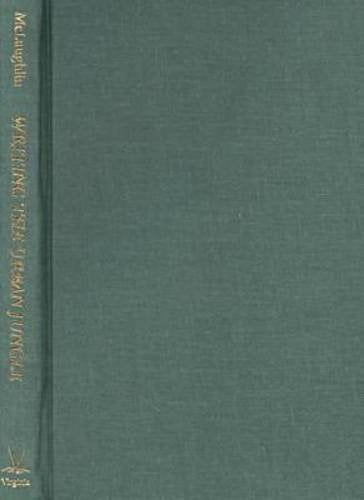
Writing the Urban Jungle: Reading Empire in London from Doyle to Eliot,New
Sold by Ergodebooks, an authorized reseller.
Returns accepted within 30 days | support@ergodebooks.com
Shipping Information
- Free Standard Shipping — United States only
- Processing Time: 3–5 business days
- Estimated Delivery: 6–10 business days after dispatch
- Double-boxed, fully insured & discreetly packaged
- Tracking number sent via email once dispatched
Returns & Refund
Returns accepted within 30 days of delivery.
Damaged or Defective Item
Free return shipping + replacement or full refund
Wrong Item Received
Free return shipping + replacement or full refund
Change of Mind
Return shipping at customer's expense · 25% restocking fee applies
Payment Option

Review A highly original study of the connections between the rhetoric of colonialism and of metropolitan culture in turnofthecentury Britain. The argument that the image of the urban jungle becomes part of a discourse, rooted in colonial experience but transferred to the metropolis, has impressive explanatory power. The writing is lucid, jargonfree, lively and occasionally playfula pleasure to read. (Alex Zwerdling, University of California at Berkeley) Product Description Much has been written about cultural imperialism and the effects of Britain and British culture on colonized people, but Joseph McLaughlin suggests that the influence worked both ways. Focusing on the relationship between the literature of British imperialism and turnofthecentury metropolitan culture, Writing the Urban Jungle offers an account of the cultural confusion caused by bringing the foreign home.Narrative, plots, and language formerly used to describe the colonies, McLaughlin argues, became ways of reading and writing about life in London, 'that great cesspool into which all loungers and idlers of the Empire are irresistibly drained,' as Arthur Conan Doyle's Dr. Watson describes it in A Study in Scarlet (1887), the initial Sherlock Holmes tale. Canonical and popular literature by Doyle, Margaret Harkness, Joseph Conrad, and T. S. Eliot, and the literature of social reform and urban ethnography by General William Booth of the Salvation Army and Jack London all display this inversion of colonial rhetoric. By deploying the metaphor of 'the urban jungle,' these writers reconfigure the urban poor as 'a new race of city savages' and read urban culture as a 'Darkest England,' an Africalike place rife with danger and novel possibilities.Drawing from and extending the field of criticism pioneered by Edward Said, Writing the Urban Jungle presents a powerful new paradigm for reading lateVictorian, modernist, and postcolonial literary and historical texts. It also provides a fresh tool for urban anthropologists working in our own findesicle. Review A highly original study of the connections between the rhetoric of colonialism and of metropolitan culture in turnofthecentury Britain. The argument that the image of the urban jungle becomes part of a discourse, rooted in colonial experience but transferred to the metropolis, has impressive explanatory power. The writing is lucid, jargonfree, lively and occasionally playfula pleasure to read. Alex Zwerdling, University of California at Berkeley Review 'A highly original study of the connections between the rhetoric of colonialism and of metropolitan culture in turnofthecentury Britain. The argument that the image of the urban jungle becomes part of a discourse, rooted in colonial experience but transferred to the metropolis, has impressive explanatory power. The writing is lucid, jargonfree, lively and occasionally playfula pleasure to read. 'Alex Zwerdling, University of California at Berkeley Book Description A highly original study of the connections between the rhetoric of colonialism and of metropolitan culture in turnofthecentury Britain. The argument that the image of the urban jungle becomes part of a discourse, rooted in colonial experience but transferred to the metropolis, has impressive explanatory power. The writing is lucid, jargonfree, lively and occasionally playfula pleasure to read. About the Author Joseph McLaughlin is Assistant Professor of English at Ohio University.
⚠️ WARNING (California Proposition 65):
This product may contain chemicals known to the State of California to cause cancer, birth defects, or other reproductive harm.
For more information, please visit www.P65Warnings.ca.gov.