
Title
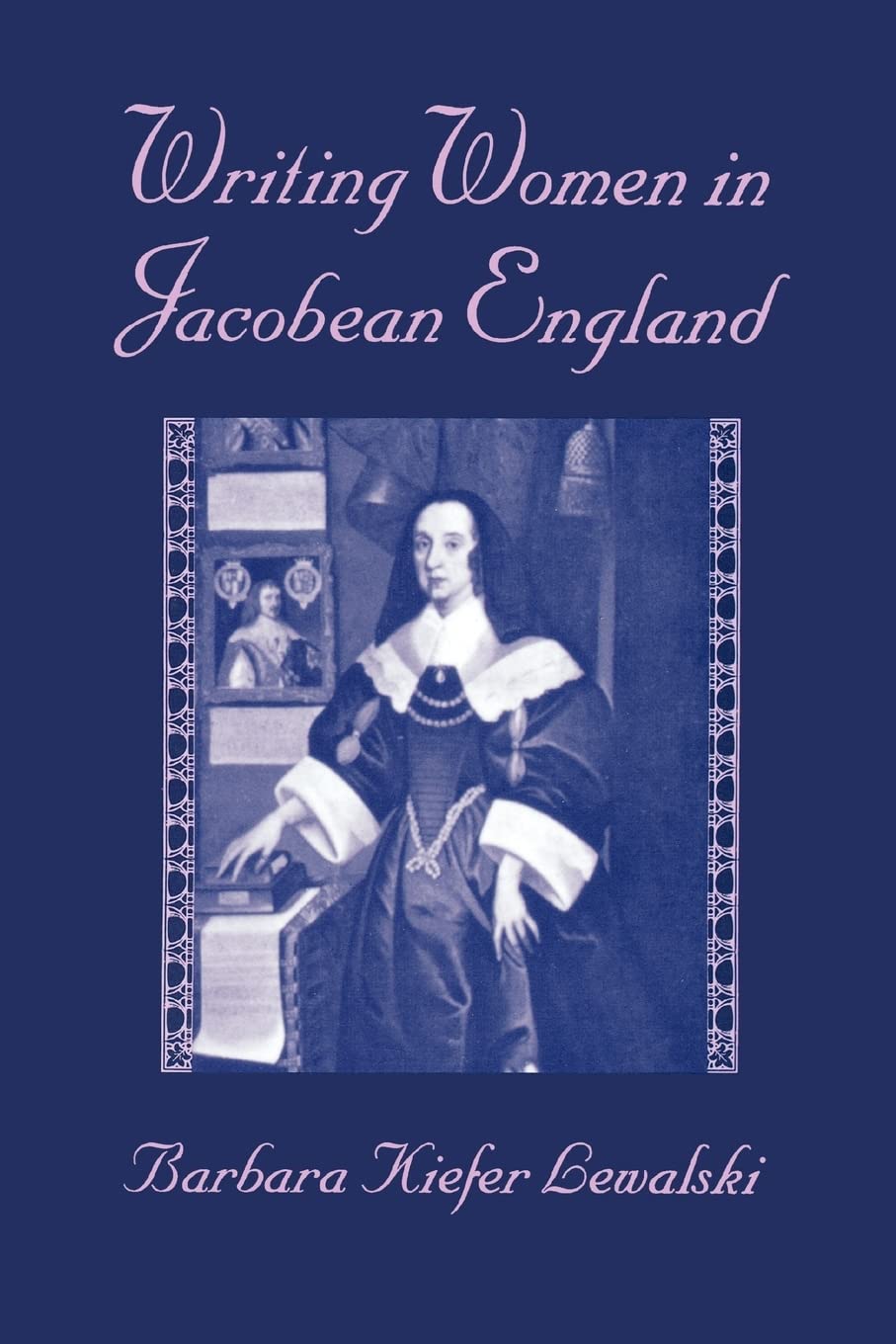
Writing Women In Jacobean England
Sold by Ergodebooks, an authorized reseller.
Returns accepted within 30 days | support@ergodebooks.com
Shipping Information
- Free Standard Shipping — United States only
- Processing Time: 3–5 business days
- Estimated Delivery: 6–10 business days after dispatch
- Double-boxed, fully insured & discreetly packaged
- Tracking number sent via email once dispatched
Returns & Refund
Returns accepted within 30 days of delivery.
Damaged or Defective Item
Free return shipping + replacement or full refund
Wrong Item Received
Free return shipping + replacement or full refund
Change of Mind
Return shipping at customer's expense · 25% restocking fee applies
Payment Option

When Was Feminism Bornin The 1960S, Or In The 1660S? For England, One Might Answer: The Early Decades Of The Seventeenth Century. James I Was King Of England, And Women Were Expected To Be Chaste, Obedient, Subordinate, And Silent. Some, However, Were Not, And These Are The Women Who Interest Barbara Lewalskithose Who, As Queens And Petitioners, Patrons And Historians, And Poets Took Up The Pen To Challenge And Subvert The Repressive Patriarchal Ideology Of Jacobean England.Setting Out To Show How These Women Wrote Themselves Into Their Culture, Lewalski Rewrites Renaissance History To Include Some Of Its Most Compellingand Neglectedvoices. In These Women, Lewalski Identifies An Early Challenge To The Dominant Cultureand An Ongoing Challenge To Our Understanding Of The Renaissance World.
⚠️ WARNING (California Proposition 65):
This product may contain chemicals known to the State of California to cause cancer, birth defects, or other reproductive harm.
For more information, please visit www.P65Warnings.ca.gov.
- Q: What is the page count of 'Writing Women in Jacobean England'? A: The book contains four hundred forty-eight pages. This length allows for an in-depth exploration of women's roles in Jacobean England.
- Q: What is the binding type of this book? A: The book is available in paperback binding. This makes it lightweight and easy to handle for readers.
- Q: Who is the author of 'Writing Women in Jacobean England'? A: The author is Barbara Kiefer Lewalski. She is known for her scholarship in Renaissance literature and gender studies.
- Q: What are the dimensions of this book? A: The book measures six inches in length, one point twelve inches in width, and nine point zero two inches in height. These dimensions make it a standard-sized paperback.
- Q: What category does this book belong to? A: This book is categorized under Renaissance literature. It focuses on women's contributions and experiences during the Jacobean era.
- Q: What is the condition of the book? A: The book is described as a used book in good condition. It is suitable for readers looking for quality second-hand literature.
- Q: How should I read 'Writing Women in Jacobean England'? A: You can read this book at your own pace, making it suitable for both academic study and casual reading. It’s ideal for those interested in feminist literature and history.
- Q: Is this book suitable for someone new to Renaissance literature? A: Yes, this book is accessible for those new to the genre. It provides context and analysis that can engage both newcomers and seasoned readers.
- Q: What themes are explored in this book? A: The book explores themes of feminism, patriarchy, and women's writing in Jacobean England. It highlights the voices of women who challenged societal norms.
- Q: How do I care for this book? A: To maintain the book's condition, store it in a cool, dry place and avoid exposure to direct sunlight. Handle it gently to prevent wear.
- Q: Is there a warranty for this book? A: No, there is no warranty for this used book. However, it is sold in good condition and should meet reader expectations.
- Q: Can I return the book if it's damaged? A: Return policies depend on the seller. Check with the retailer for their specific return or exchange policy regarding used books.
- Q: What if I want to gift this book? A: This book makes an excellent gift for anyone interested in women's studies or Renaissance literature. Its insightful content is likely to be appreciated.
- Q: How can I find more books like this? A: Look for other titles under the Renaissance category or explore works by Barbara Kiefer Lewalski. Libraries and online bookstores often recommend similar readings.
- Q: Is this book considered a scholarly work? A: Yes, 'Writing Women in Jacobean England' is considered scholarly. It offers critical analysis and contributes to academic discussions on gender and literature.
- Q: What is the significance of this book in feminist literature? A: The book is significant for highlighting overlooked women's voices in history. It contributes to a deeper understanding of gender dynamics in the Renaissance.