
Title
Wye Island: Insiders, Outsiders, and Change in a Chesapeake Community Special Reprint Edition,New
Sold by Ergodebooks, an authorized reseller.
Returns accepted within 30 days | support@ergodebooks.com
Shipping Information
- Free Standard Shipping — United States only
- Processing Time: 3–5 business days
- Estimated Delivery: 6–10 business days after dispatch
- Double-boxed, fully insured & discreetly packaged
- Tracking number sent via email once dispatched
Returns & Refund
Returns accepted within 30 days of delivery.
Damaged or Defective Item
Free return shipping + replacement or full refund
Wrong Item Received
Free return shipping + replacement or full refund
Change of Mind
Return shipping at customer's expense · 25% restocking fee applies
Payment Option

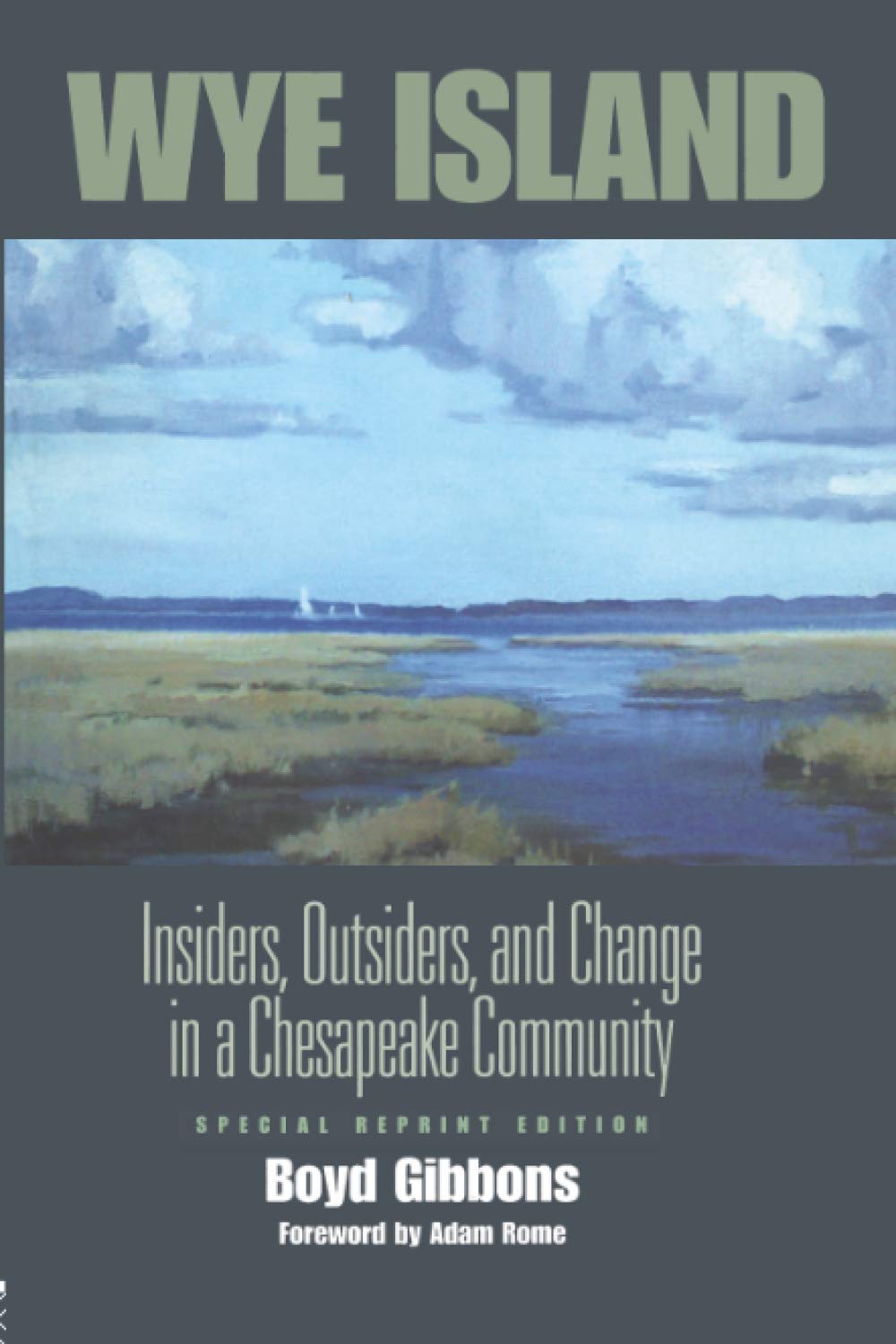
Today, most of the 2,800 tranquil acres that make up Wye Island are managed by the Maryland Park Service. However, from 1973 to 1974, the island was the site of a raging controversy. A major developer, James Rouse, wanted to build a compact waterfront village that would be surrounded by large estates, protected farms, and wetlands. A boyhood resident of nearby Easton, Maryland, Rouse hoped that the island could avoid the sprawl of unplanned subdivisions that were marring so many other places along the Eastern Shore. Combining history, journalism, character sketches, and sharp sociological insight, Boyd Gibbons presents the conflict over Wye Island in its multiple dimensions as an example of the emerging communitybased activism of the 1960s and 70s, and of a community that, while exercising its right to preserve its identity, denies opportunities for its members to improve their lives through change. In fact, Wye Island proves not to be the environmental DavidGoliath struggle that might be expected. For one thing, residents opposed a development plan that can be regarded as an early model for 'smart growth.' And many were no more favorably disposed to a park or preserve than to a planned village. Their interest was in protecting the community from an invasion of immigrants from ethnically diverse Baltimore and Washington, and, where the wealthy were concerned, protecting some very private views of the water. In the end, rich landowners, poor 'natives,' and many recent newcomers opposed the Rouse project distrusting change, and, above all, fearing 'outsiders.' The special reprint of Wye Island includes a new foreword by distinguished environmental historian Adam Rome, who explores the enduring themes of Wye Island in context of the current debates about land use, development, and sprawl.
⚠️ WARNING (California Proposition 65):
This product may contain chemicals known to the State of California to cause cancer, birth defects, or other reproductive harm.
For more information, please visit www.P65Warnings.ca.gov.