If you have any questions, you are always welcome to contact us. We'll get back to you as soon as possible, withing 24 hours on weekdays.
Customer service
All questions about your order, return and delivery must be sent to our customer service team by e-mail at yourstore@yourdomain.com
Sale & Press
If you are interested in selling our products, need more information about our brand or wish to make a collaboration, please contact us at press@yourdomain.com
Help
If you have any questions, you are always welcome to contact us. We'll get back to you as soon as possible, withing 24 hours on weekdays.
Customer service
All questions about your order, return and delivery must be sent to our customer service team by e-mail at yourstore@yourdomain.com
Sale & Press
If you are interested in selling our products, need more information about our brand or wish to make a collaboration, please contact us at press@yourdomain.com
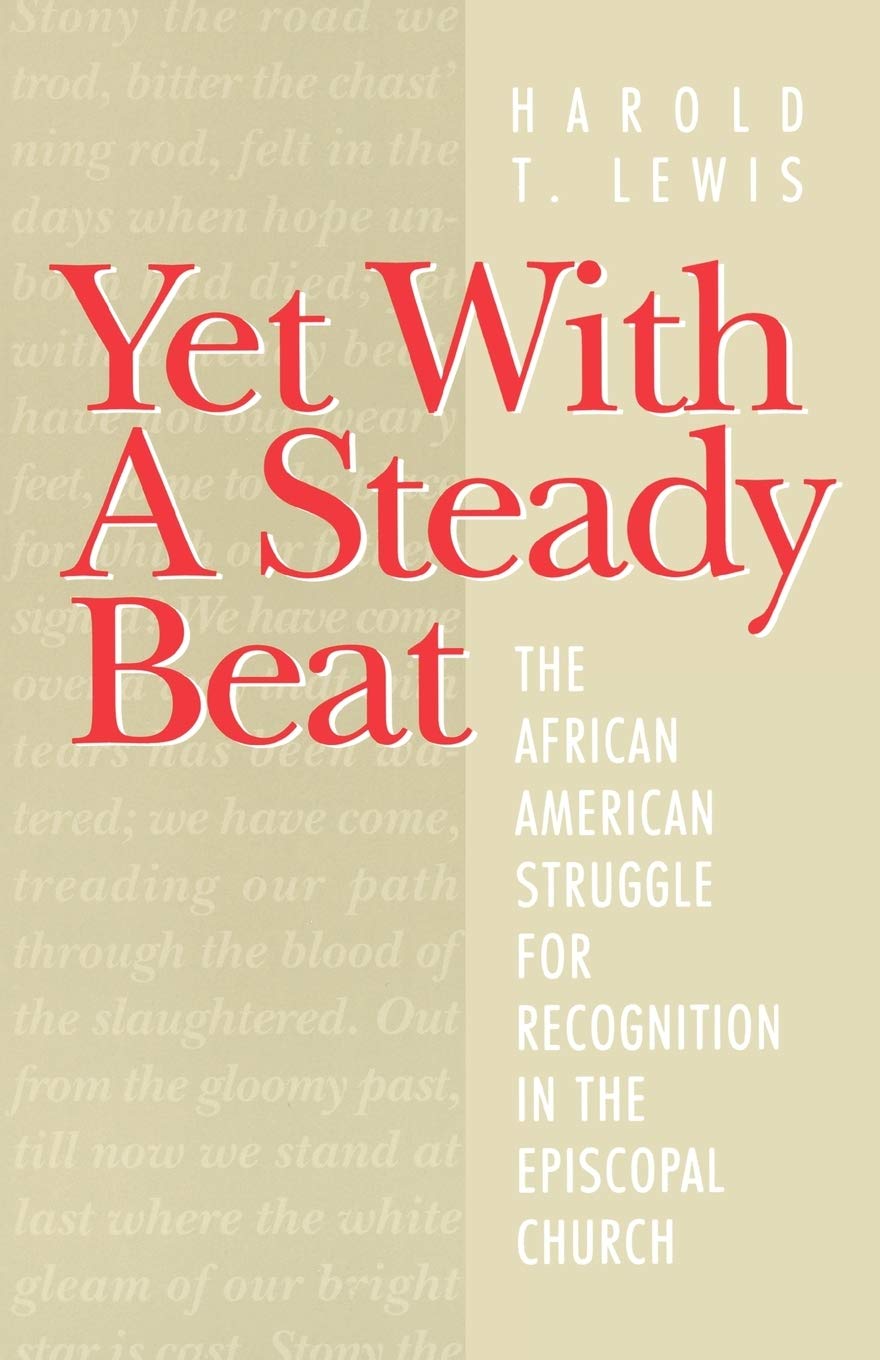
The Episcopal Church was the first in the American colonies to baptize blacks, to ordain a black minister, and to establish an African American congregation. Yet membership by blacks in the Episcopal Church has always been viewed as an anomaly. In a nation in which 80 percent of the black Christian population belong to black denominations, it has seemed incongruous to many that the descendants of slaves and the descendants of slaveholders could together find a spiritual home in the Episcopal Church. Moreover, the mode of religious expression of Anglicanism has been seen as incompatible with the black religious ethos. Attempts to explain this phenomenon frequently dismiss black Episcopalians as social climbers, and their authenticity as African Americans, and even as Christians, is called into question. Yet With a Steady Best, however, argues that blacks have remained in the Episcopal Church because they have recognized it as catholic and therefore inclusive institution. For two hundred years blacks have challenged the church to be true to its catholic claims and have used this principle as a basis for their demands for recognition. This book chronicles the steady beat of that challenge. Harold T. Lewis, former staff officer for Black Ministries at the Episcopal Church Center in New York, is a parish priest in the Diocese of Long Island, Professor of Homiletics at the George Mercer School of Theology, and Adjunct Professor of Preaching at New York Theological Seminary.
⚠️ WARNING (California Proposition 65):
This product may contain chemicals known to the State of California to cause cancer,
birth defects, or other reproductive harm.
For MAP (Minimum Advertised Price) violations and Intellectual Property (IP) or Trademark concerns, please contact:
support@ergodebooks.com
⚠️ California Proposition 65 Warning: Some products sold on this website may expose you to chemicals known to the State of California to cause cancer, birth defects, or other reproductive harm. For more information, visit www.P65Warnings.ca.gov.