
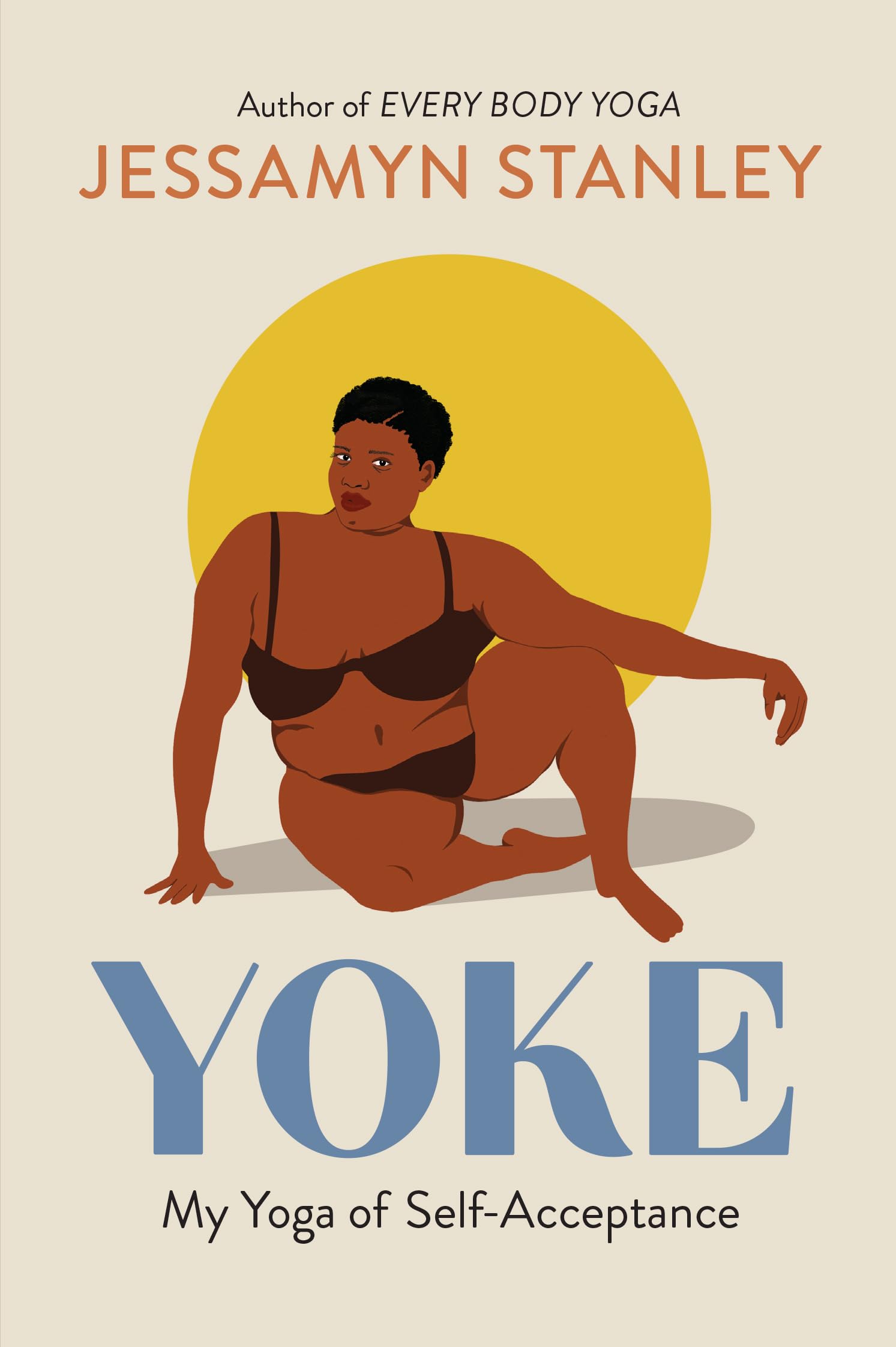
Title
Yoke: My Yoga Of Selfacceptance
Sold by Ergodebooks, an authorized reseller.
Returns accepted within 30 days | support@ergodebooks.com
Shipping Information
- Free Standard Shipping — United States only
- Processing Time: 3–5 business days
- Estimated Delivery: 6–10 business days after dispatch
- Double-boxed, fully insured & discreetly packaged
- Tracking number sent via email once dispatched
Returns & Refund
Returns accepted within 30 days of delivery.
Damaged or Defective Item
Free return shipping + replacement or full refund
Wrong Item Received
Free return shipping + replacement or full refund
Change of Mind
Return shipping at customer's expense · 25% restocking fee applies
Payment Option

Finding Selfacceptance Both On And Off The Mat.In Sanskrit, Yoga Means To Yoke. To Yoke Mind And Body, Movement And Breath, Light And Dark, The Good And The Bad. This Larger Idea Of Yoke Is What Jessamyn Stanley Calls The Yoga Of The Everydaya Yoga That Is Not Just About Perfecting Your Downward Dog But About Applying The Hard Lessons Learned On The Mat To The Even Harder Daily Project Of Living.In A Series Of Deeply Honest, Funny Autobiographical Essays, Jessamyn Explores Everything From Imposter Syndrome To Cannabis To Why Its A Fulltime Job Loving Yourself, All Through The Lens Of Yoke. She Calls Out An American Yoga Complex That Prefers Debating The Merits Of Cotton Versus Polyblend Leggings Rather Than Owning Up To Its Overwhelming Whiteness. She Questions Why The Western Take On Yoga So Often Missesor Misusesthe Traditions Spiritual Dimension. And Reveals What She Calls Her Own Wholeass Problematic: Growing Up Bah, Loving Astrology, Learning To Meditate, Finding Prana In Music.And In The End, Jessamyn Invites Every Reader To Find The Authentic Spirit Of Yokelinking That Good And That Bad, That Light And That Dark.
⚠️ WARNING (California Proposition 65):
This product may contain chemicals known to the State of California to cause cancer, birth defects, or other reproductive harm.
For more information, please visit www.P65Warnings.ca.gov.
- Q: How many pages does this book have? A: This book has two hundred eight pages. It offers a comprehensive exploration of self-acceptance through the lens of yoga.
- Q: What is the binding type of the book? A: The binding type of this book is paperback. This makes it lightweight and easy to carry for on-the-go reading.
- Q: Who is the author of this book? A: The author of this book is Jessamyn Stanley. She is known for her authentic and humorous approach to yoga and self-acceptance.
- Q: What is the main theme of 'Yoke: My Yoga of Self-Acceptance'? A: The main theme is the journey towards self-acceptance. Jessamyn Stanley shares personal stories that connect yoga practice to everyday life.
- Q: Is this book suitable for beginners in yoga? A: Yes, this book is suitable for beginners. It provides insights into yoga that can be applied in daily life, regardless of experience level.
- Q: What age group is this book intended for? A: This book is intended for adults and older teens. It discusses mature themes such as self-love and cultural critiques.
- Q: How should I take care of this book? A: To care for this book, keep it in a dry place and avoid exposure to direct sunlight. This helps preserve the pages and cover.
- Q: Can I read this book on a public transport? A: Yes, this book is portable and can easily be read on public transport. Its paperback format makes it convenient for commuters.
- Q: What if I receive a damaged book? A: If you receive a damaged book, you should contact the seller for a replacement or return. Most sellers offer customer support for issues like this.
- Q: Is there a specific reading level for this book? A: This book is written for a general adult reading level. It is accessible but delves into complex topics surrounding self-acceptance.
- Q: How does this book differ from other yoga books? A: This book differs by focusing on personal narratives and social issues rather than just physical practice. It addresses cultural dimensions of yoga.
- Q: Are there any illustrations in the book? A: No, this book does not contain illustrations. It primarily features text-based essays exploring the author’s experiences.
- Q: What kind of writing style is used in this book? A: The writing style is deeply honest and often humorous. Jessamyn Stanley's voice is approachable and relatable for readers.
- Q: Is this book appropriate for a book club? A: Yes, this book is appropriate for a book club. Its themes of self-acceptance and cultural critique encourage rich discussions.
- Q: What are some key topics covered in the essays? A: Key topics include imposter syndrome, self-love, and societal expectations around yoga. These personal essays invite reflection and dialogue.