
Title
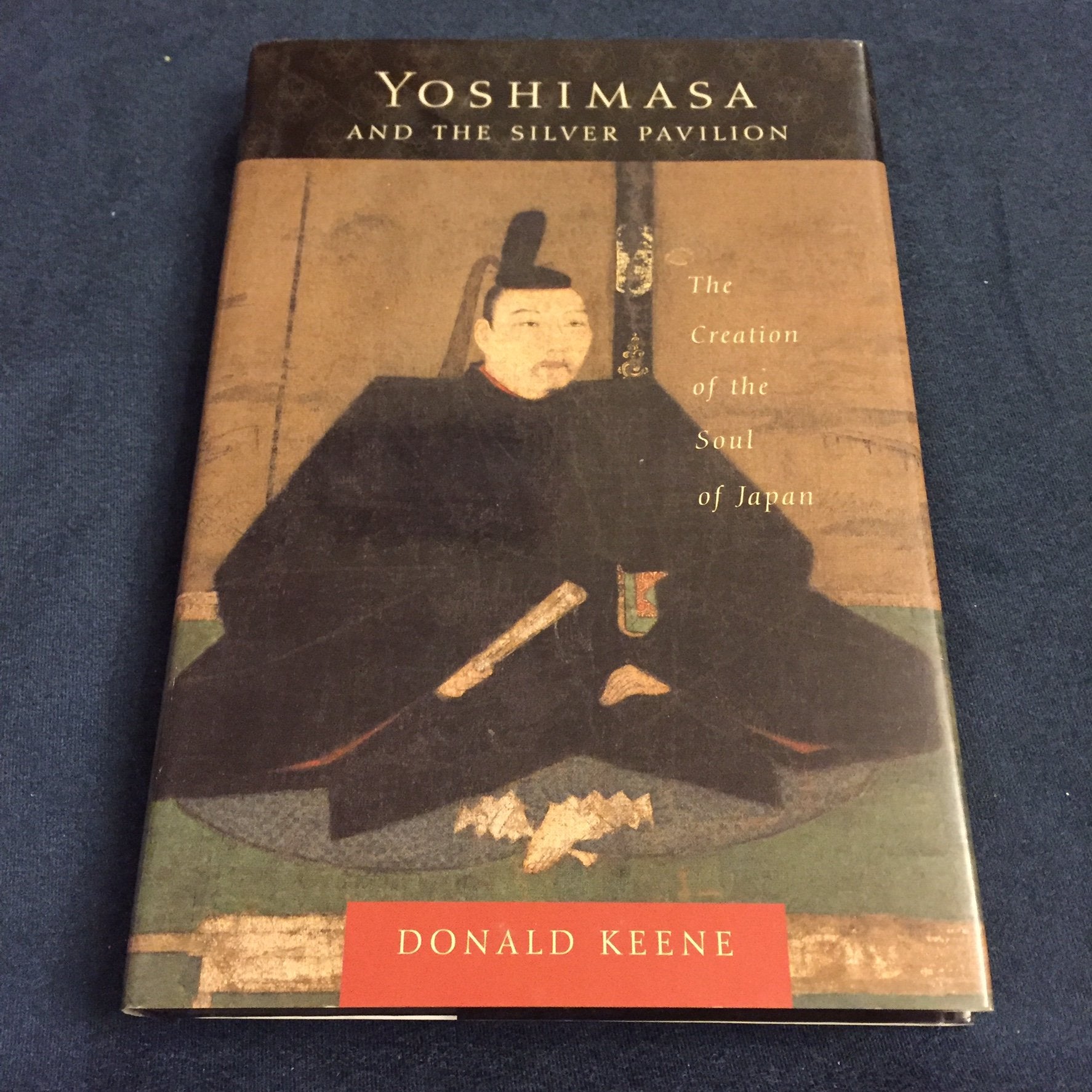
Yoshimasa and the Silver Pavilion: The Creation of the Soul of Japan (Asia Perspectives: History, Society, and Culture),Used
Sold by Ergodebooks, an authorized reseller.
Returns accepted within 30 days | support@ergodebooks.com
Shipping Information
- Free Standard Shipping — United States only
- Processing Time: 3–5 business days
- Estimated Delivery: 6–10 business days after dispatch
- Double-boxed, fully insured & discreetly packaged
- Tracking number sent via email once dispatched
Returns & Refund
Returns accepted within 30 days of delivery.
Damaged or Defective Item
Free return shipping + replacement or full refund
Wrong Item Received
Free return shipping + replacement or full refund
Change of Mind
Return shipping at customer's expense · 25% restocking fee applies
Payment Option

Yoshimasa may have been the worst shogun ever to rule Japan. He was a failure as a soldier, incompetent at dealing with state business, and dominated by his wife. But his influence on the cultural life of Japan was unparalleled. According to Donald Keene, Yoshimasa was the only shogun to leave a lasting heritage for the entire Japanese people.Today Yoshimasa is remembered primarily as the builder of the Temple of the Silver Pavilion and as the ruler at the time of the Onin War (14671477), after which the authority of the shogun all but disappeared. Unable to control the daimyosprovincial military governorshe abandoned politics and devoted himself to the quest for beauty. It was then, after Yoshimasa resigned as shogun and made his home in the mountain retreat now known as the Silver Pavilion, that his aesthetic taste came to define that of the Japanese: the no theater flourished, Japanese gardens were developed, and the tea ceremony had its origins in a small room at the Silver Pavilion. Flower arrangement, ink painting, and shoinzukuri architecture began or became of major importance under Yoshimasa. Poets introduced their often barely literate warlordhosts to the literary masterpieces of the past and taught them how to compose poetry. Even the most barbarous warlord came to want the trappings of culture that would enable him to feel like a civilized man.Yoshimasa and the Silver Pavilion gives this longneglected but critical period in Japanese history the thorough treatment it deserves.
⚠️ WARNING (California Proposition 65):
This product may contain chemicals known to the State of California to cause cancer, birth defects, or other reproductive harm.
For more information, please visit www.P65Warnings.ca.gov.
- Q: What is the main focus of 'Yoshimasa and the Silver Pavilion'? A: 'Yoshimasa and the Silver Pavilion' explores the life and influence of Yoshimasa, a shogun known for his cultural contributions to Japan during a time of political decline.
- Q: Who is the author of the book? A: The book is authored by Donald Keene, a renowned scholar of Japanese literature and culture.
- Q: What type of binding does this book have? A: This book is available in hardcover binding, providing durability and a classic presentation.
- Q: How many pages are in the book? A: 'Yoshimasa and the Silver Pavilion' contains a total of 208 pages.
- Q: When was this book published? A: The book was published on November 5, 2003.
- Q: What condition is the book in? A: The book is listed in 'Good' condition, indicating it may have some signs of wear but is still fully readable.
- Q: What themes are explored in the book? A: The book delves into themes of cultural heritage, aesthetics, and the impact of Yoshimasa on Japanese art and society.
- Q: Is there any specific historical context provided in the book? A: Yes, the book provides detailed historical context, particularly focusing on the Onin War and its effects on Yoshimasa's reign.
- Q: What cultural contributions are attributed to Yoshimasa? A: Yoshimasa is credited with fostering the development of no theater, Japanese gardens, and the tea ceremony, among other cultural advancements.
- Q: Is this book suitable for someone new to Japanese history? A: Yes, it offers a thorough yet accessible treatment of a critical period in Japanese history, making it suitable for both newcomers and those familiar with the topic.