
Title
Zapotec Women: Gender, Class, And Ethnicity In Globalized Oaxaca,Used
Sold by Ergodebooks, an authorized reseller.
Returns accepted within 30 days | support@ergodebooks.com
Shipping Information
- Free Standard Shipping — United States only
- Processing Time: 3–5 business days
- Estimated Delivery: 6–10 business days after dispatch
- Double-boxed, fully insured & discreetly packaged
- Tracking number sent via email once dispatched
Returns & Refund
Returns accepted within 30 days of delivery.
Damaged or Defective Item
Free return shipping + replacement or full refund
Wrong Item Received
Free return shipping + replacement or full refund
Change of Mind
Return shipping at customer's expense · 25% restocking fee applies
Payment Option

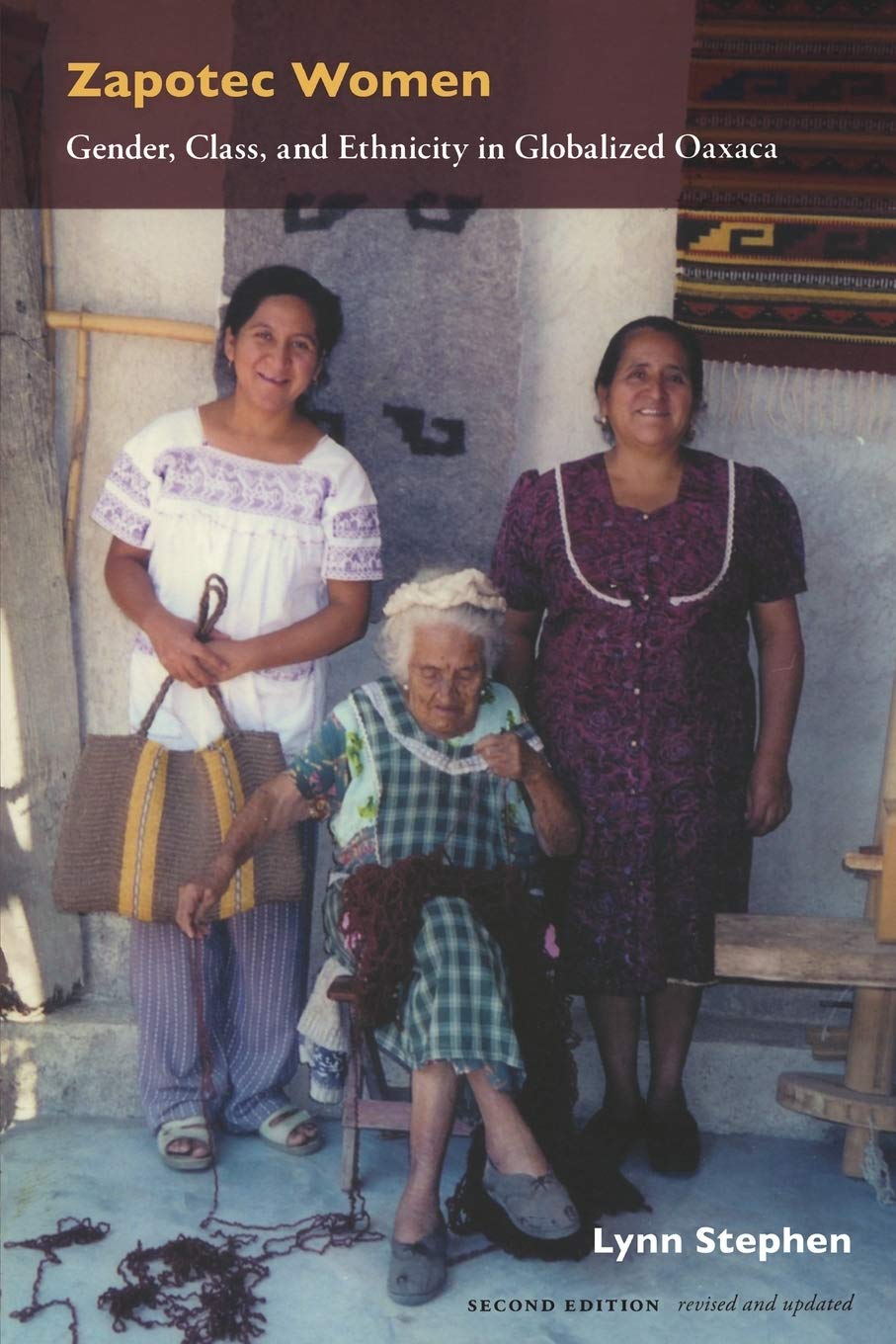
In this extensively revised and updated second edition of her classic ethnography, Lynn Stephen explores the intersection of gender, class, and indigenous ethnicity in southern Mexico. She provides a detailed study of how the lives of women weavers and merchants in the Zapotecspeaking town of Teotitln del Valle, Oaxaca, have changed in response to the international demand for Oaxacan textiles. Based on Stephens research in Teotitln during the mid1980s, in 1990, and between 2001 and 2004, this volume provides a unique view of a Zapotec community balancing a rapidly advancing future in export production with an entrenched past anchored in indigenous culture.Stephen presents new information about the weaving cooperatives women have formed over the last two decades in an attempt to gain political and cultural rights within their community and standing as independent artisans within the global market. She also addresses the place of Zapotec weaving within Mexican folk art and the significance of increased migration out of Teotitln. The women weavers and merchants collaborated with Stephen on the research for this book, and their perspectives are key to her analysis of how gender relations have changed within rituals, weaving production and marketing, local politics, and family life. Drawing on the experiences of women in Teotitln, Stephen considers the prospects for the political, economic, and cultural participation of other indigenous women in Mexico under the policies of economic neoliberalism which have prevailed since the 1990s.
⚠️ WARNING (California Proposition 65):
This product may contain chemicals known to the State of California to cause cancer, birth defects, or other reproductive harm.
For more information, please visit www.P65Warnings.ca.gov.