
Title
Ziegfeld Girl: Image and Icon in Culture and Cinema,Used
Sold by Ergodebooks, an authorized reseller.
Returns accepted within 30 days | support@ergodebooks.com
Shipping Information
- Free Standard Shipping — United States only
- Processing Time: 3–5 business days
- Estimated Delivery: 6–10 business days after dispatch
- Double-boxed, fully insured & discreetly packaged
- Tracking number sent via email once dispatched
Returns & Refund
Returns accepted within 30 days of delivery.
Damaged or Defective Item
Free return shipping + replacement or full refund
Wrong Item Received
Free return shipping + replacement or full refund
Change of Mind
Return shipping at customer's expense · 25% restocking fee applies
Payment Option

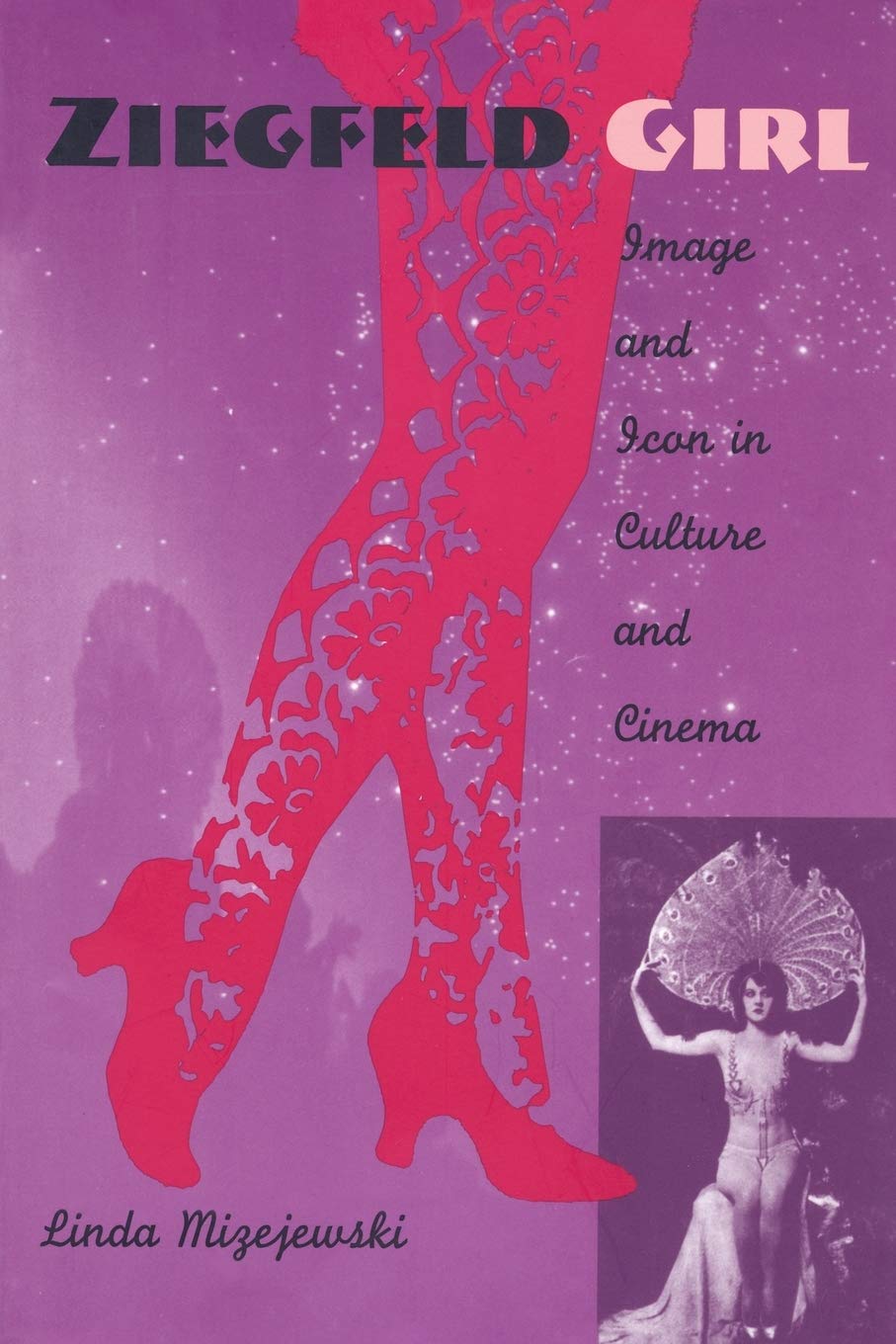
In the first decades of the twentieth century, Broadway teemed with showgirls, but only the Ziegfeld Girl has survived in American popular cultureas a figure of legend, nostalgia, and camp. Featured in Florenz Ziegfeld Jr.s renowned revues, which ran on Broadway from 1907 to 1931, the Ziegfeld Girl has appeared in her trademark feather headdresses, parading and posing, occasionally singing and dancing, in numerous musicals and musical films paying direct or indirect homage to the intrepid producer and his glorious Girl. Linda Mizejewski analyzes the Ziegfeld Girl as a cultural icon and argues that during a time when American national identity was in flux, Ziegfeld Girls were both products and representations of a white, upscale, heterosexual national ideal.Mizejewski traces the Ziegfeld Girls connections to turnofthecentury celebrity culture, black Broadway, the fashion industry, and the changing sexual and gender identities evident in mainstream entertainment during the Ziegfeld years. In addition, she emphasizes how crises of immigration and integration made the identity and whiteness of the American Girl an urgent issue on Broadways revue stages during that era. Although her focus is on the showgirl as a type, the analysis is intermingled with discussions of figures like Anna Held, Fanny Brice, and Bessie McCoy, the Yama Yama girl, as well as Ziegfeld himself. Finally, Mizejewski discusses the classic American films that have most vividly kept this showgirl alive in both popular and camp culture, including The Great Ziegfeld, Ziegfeld Girl, and the Busby Berkeley musicals that cloned Ziegfelds showgirls for decades.Ziegfeld Girl will appeal to scholars and students in American studies, popular culture, theater and performance studies, film history, gender studies, gay and lesbian studies, and social history.
⚠️ WARNING (California Proposition 65):
This product may contain chemicals known to the State of California to cause cancer, birth defects, or other reproductive harm.
For more information, please visit www.P65Warnings.ca.gov.
- Q: What is the page count of 'Ziegfeld Girl: Image and Icon in Culture and Cinema'? A: The book contains two hundred fifty-six pages. It offers an in-depth look at the cultural significance of the Ziegfeld Girl.
- Q: What is the binding type of this book? A: This book is paperback. The paperback binding makes it lightweight and easy to handle.
- Q: Who is the author of this book? A: The author is Linda Mizejewski. She provides a scholarly analysis of the Ziegfeld Girl as a cultural icon.
- Q: What are the dimensions of this book? A: The dimensions are six inches by nine inches and zero point six three inches thick. These measurements make it a standard-sized paperback.
- Q: What genre does this book belong to? A: The book falls under Performing Arts. It explores themes relevant to American studies and popular culture.
- Q: How do I read 'Ziegfeld Girl: Image and Icon in Culture and Cinema'? A: You can read this book at your own pace. It is suitable for scholars and students in various fields such as film history and gender studies.
- Q: Is this book suitable for beginners in cultural studies? A: Yes, this book is suitable for beginners. It provides accessible insights into the cultural impact of the Ziegfeld Girl.
- Q: Is there a specific reading age for this book? A: There is no specific reading age, but it is best suited for high school students and above. The content is scholarly and analytical.
- Q: How should I care for this paperback book? A: Keep it in a dry place away from direct sunlight. This will help preserve the condition of the pages and binding.
- Q: Can I clean the book's cover? A: Yes, you can gently wipe the cover with a dry cloth. Avoid using water or cleaning solutions to prevent damage.
- Q: What if the book arrives damaged? A: You can return the book for a refund or exchange. Check the return policy of the seller for specific instructions.
- Q: Is this book available for digital download? A: No, this book is only available in paperback format. It is not offered as a digital download.
- Q: How does this book compare to other works on Broadway history? A: This book specifically focuses on the Ziegfeld Girl, making it unique compared to broader Broadway histories. It examines cultural icons in detail.
- Q: Is 'Ziegfeld Girl' a good choice for research on gender studies? A: Yes, it is an excellent choice for gender studies research. The book offers critical insights into changing gender identities in popular culture.
- Q: What themes are explored in this book? A: The book explores themes of nostalgia, cultural identity, and the representation of women in theater. It delves into the complexities of the showgirl image.