If you have any questions, you are always welcome to contact us. We'll get back to you as soon as possible, withing 24 hours on weekdays.
Customer service
All questions about your order, return and delivery must be sent to our customer service team by e-mail at yourstore@yourdomain.com
Sale & Press
If you are interested in selling our products, need more information about our brand or wish to make a collaboration, please contact us at press@yourdomain.com
Help
If you have any questions, you are always welcome to contact us. We'll get back to you as soon as possible, withing 24 hours on weekdays.
Customer service
All questions about your order, return and delivery must be sent to our customer service team by e-mail at yourstore@yourdomain.com
Sale & Press
If you are interested in selling our products, need more information about our brand or wish to make a collaboration, please contact us at press@yourdomain.com
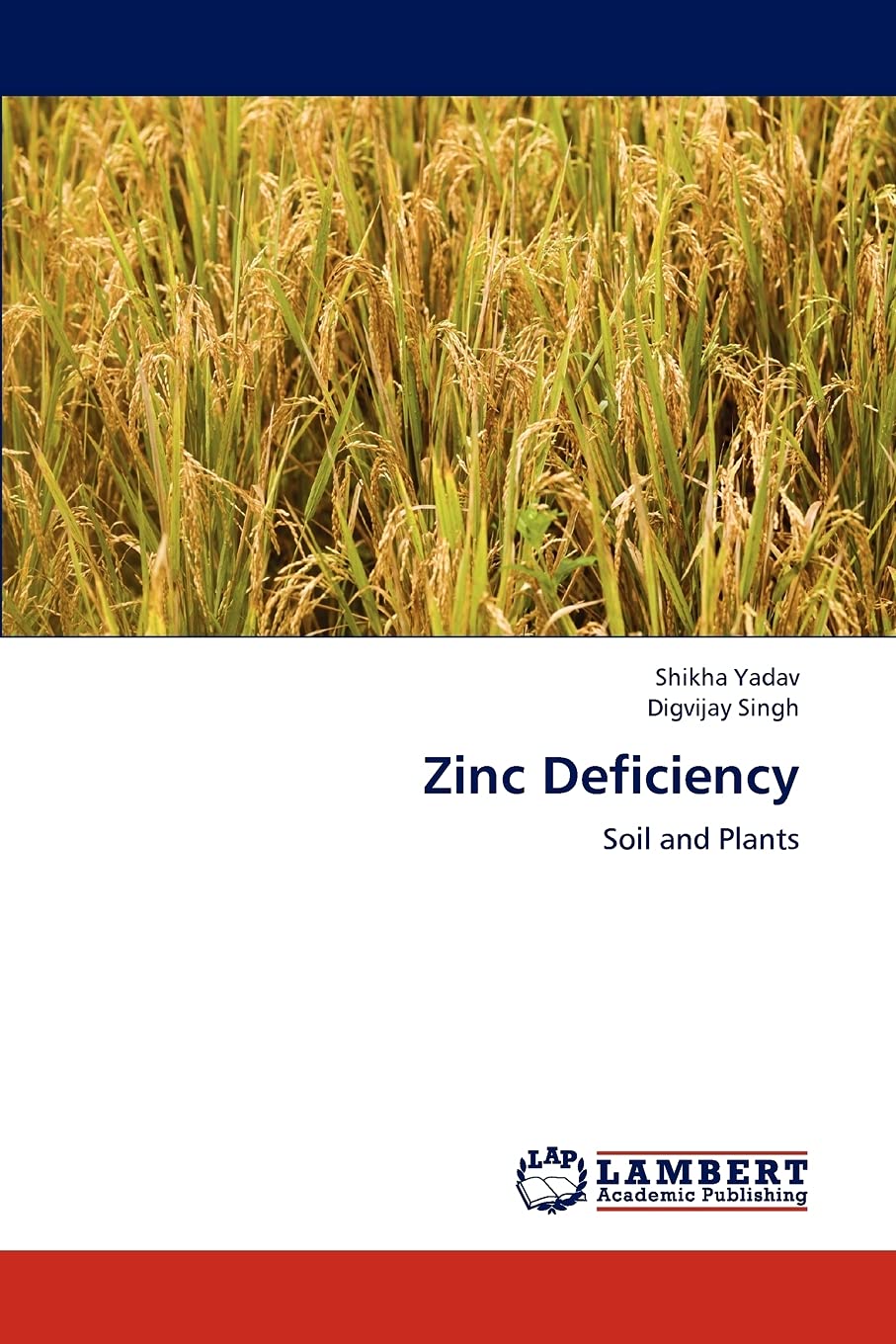
The importance of zinc for plant growth and reproduction has been recognised some 150 years ago. Since then importance of Zn has been worked out in different plant species including crop plants. The deficiency of Zn affects not only the crop species but is currently listed as one of the major risk factors responsible for the different health complications in human beings such as impairment of physical growth, immune system and learning ability combined with increased risk of infections, DNA damage and cancer development. Zn deficiency is the most widespread nutrient disorder in world soils and economically important on global scale. During recent years increasing Zn density in cereal grains through agricultural practices or agronomic biofortification has gained importance due to the widespread Zn deficiency problems occurring in human beings. Efforts are being made on large scale to reduce the antinutritional factors such as phytin in seeds which inhibits the absorption of Zn and Fe in intestine in order to reduce the risk of anaemia in people consuming the low quality cereal grains grown in Zn deficient areas.
⚠️ WARNING (California Proposition 65):
This product may contain chemicals known to the State of California to cause cancer,
birth defects, or other reproductive harm.
For MAP (Minimum Advertised Price) violations and Intellectual Property (IP) or Trademark concerns, please contact:
support@ergodebooks.com
⚠️ California Proposition 65 Warning: Some products sold on this website may expose you to chemicals known to the State of California to cause cancer, birth defects, or other reproductive harm. For more information, visit www.P65Warnings.ca.gov.