


Popular Book Genres for Young Adults: How to Match a Teen Reader to the Right Genre Before They Give Up on Reading

The teen puts the book down after three pages, says it's boring, and goes back to their phone. Sound familiar? Before you conclude they're just not a reader, consider this: they might simply have never been handed the right genre. Genre mismatch is the single biggest reason teenagers abandon books — and it's entirely fixable.
This guide is for parents, grandparents, aunts, uncles, and anyone who wants to give a young reader a genuine shot at loving books. We'll walk through the YA and middle-grade genres that are actually pulling reluctant readers in right now, and give you concrete signals for figuring out which one fits the teen you have in mind.
First: Why 'I Don't Like Reading' Usually Means Something Else
Most teenagers who say they hate reading have a reading history that goes something like this: assigned books at school they didn't choose, a few well-meaning gifts that missed the mark, and maybe one or two series they genuinely loved as younger kids before the suggestions dried up.
They don't hate reading. They hate the wrong books. The fix is almost always genre — not effort, not maturity, not attention span.
The Genres That Are Actually Working Right Now
Dark Fantasy and Romantasy
This is the genre eating the YA world right now. Think morally grey characters, immersive world-building, and just enough romantic tension to keep the pages turning. Teens who love video games, anime, or binge-worthy fantasy TV series tend to fall hard for this category. If a teen describes their favorite shows as "complicated" or "dark," start here.
Horror-Lite and Psychological Thriller
Not gore — suspense. The kind of book where you read one more chapter at midnight because you have to know what happens. Teens who love true crime podcasts, escape rooms, or anything with a twist ending are natural fits. This genre rewards the readers who think they're too smart to be scared, and then scares them anyway.
Graphic Novel Adaptations and Manga
This one gets unfairly dismissed as "not real reading," which is both wrong and counterproductive. Graphic novels demand active visual literacy — tracking panels, interpreting tone through art, reading between the lines. For teens who are visual thinkers or who feel intimidated by dense prose, this is often the gateway that leads back to prose novels. Don't skip it.
Contemporary Realism
Stories set in the real world — friendships fracturing, identity questions, first loves, family tension. These books work especially well for teens who feel like nothing is written for people like them. If a teen is emotionally perceptive, talks a lot about fairness and how people treat each other, or is going through a genuinely hard stretch of life, contemporary realism can hit differently than any fantasy ever could.
Adventure and Quest Stories
Classic for a reason. The hero leaves home, faces impossible odds, grows up along the way. This genre spans ages — it works for a twelve-year-old who's just crossing into middle-grade, and it works equally well for a seventeen-year-old who wants something propulsive and plot-driven. Teens who are restless, competitive, or love a good underdog story tend to devour these.
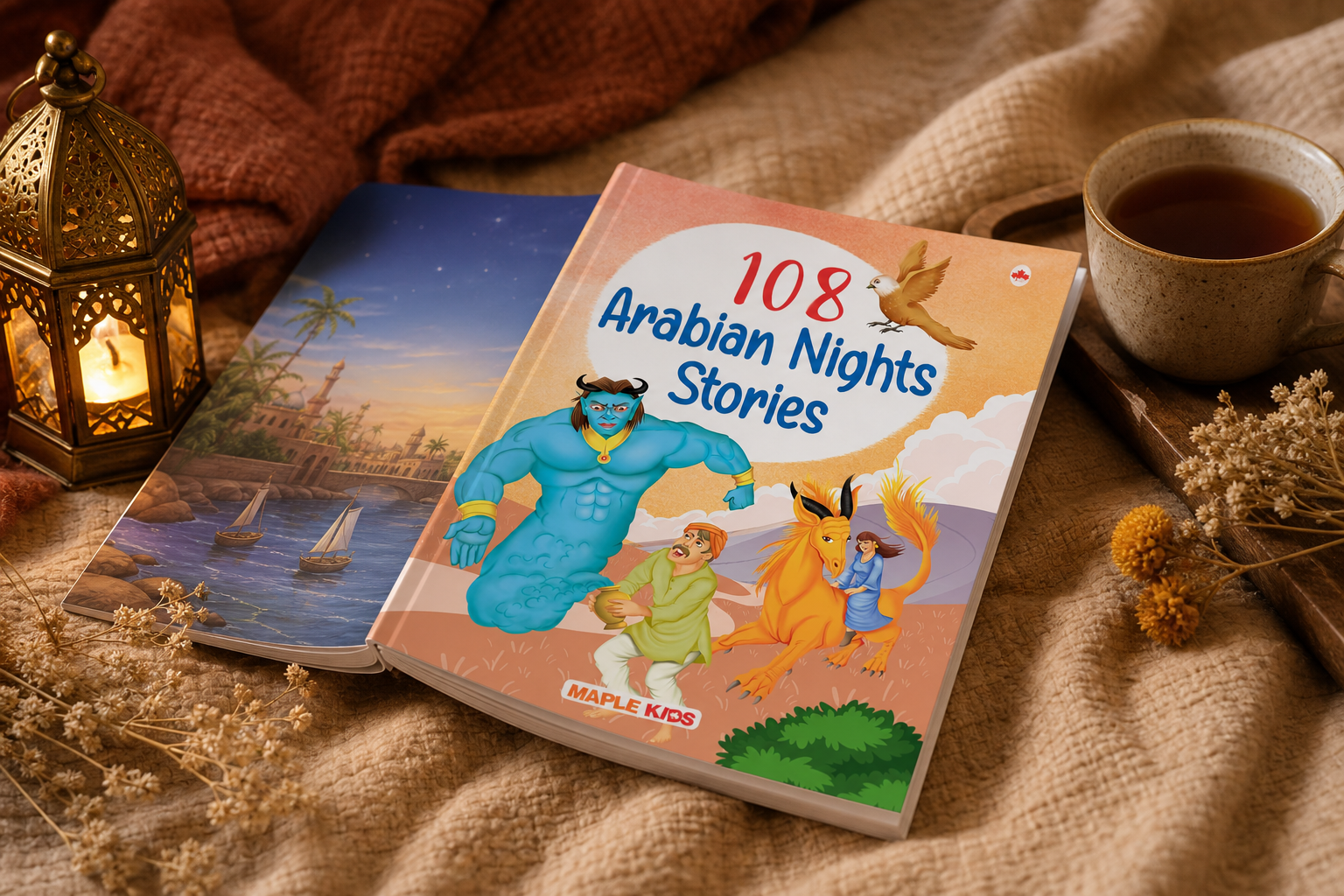
For younger readers in the 3–10 range who are just beginning to build a relationship with storytelling, illustrated collections like 108 Arabian Nights Stories by Maple Kids offer a gentle, visually rich entry point — 108 classic tales including Aladdin, Ali Baba, and Sinbad the Sailor, with illustrated pages designed for bedtime reading and independent discovery. It's the kind of book that plants the seed early, long before genre preferences solidify.
How to Read the Signals (Without Asking "What Kind of Books Do You Like?")
That question almost never works. Here's what to look for instead:
- What do they watch? Fantasy and sci-fi TV viewers usually want world-building. True crime or thriller fans want suspense. Slice-of-life drama watchers often connect with contemporary realism.
- What do they play? RPG and open-world gamers tend to love immersive fantasy. Puzzle and strategy game fans often gravitate toward mysteries and thrillers.
- What did they love as a younger reader? Even if they've "grown out of it," the genre instincts carry forward. A kid who loved adventure stories at nine is probably still an adventure reader at fifteen — they just need a version that meets them where they are now.
- Do they want to feel something, or figure something out? Emotional readers lean toward contemporary realism and romance. Analytical readers lean toward mystery, thriller, and sci-fi.
A Few Things Worth Avoiding
Don't give a reluctant reader a long book first. Length is intimidating when you're not yet hooked on the habit. A tight, fast-paced standalone is almost always a better first pick than a sprawling series opener.
Don't default to award winners if you don't know the teen's taste. Prestige and readability are not the same thing. Some of the most acclaimed YA books are slow burns that reward patient, experienced readers — which is not who you're shopping for here.
And don't make it a homework assignment. The moment you attach a discussion or a report to a book you're giving as a gift, you've changed what it is.
Getting the Book Into Their Hands
The best genre match in the world doesn't work if the book sits on a shelf looking like a chore. A few things that actually help: let them pick the cover (yes, teens judge books by covers, and that's fine), don't make a big deal of it when you hand it over, and if you can, read the first chapter alongside them and talk about it like you're genuinely curious — not like you're supervising.
The goal isn't one book. It's the moment they reach for the next one on their own.
At ErgodeBooks, you'll find new and gently used YA titles, children's books, and middle-grade reads across every genre listed here — all shipped from the USA. If you're buying for a younger child just starting their reading journey, the illustrated 108 Arabian Nights Stories is worth a look as a gift that grows with them. Use code WELCOME5 for 5% off your first order. And if you're navigating the gift-buying side of this, our guide on how to buy books as gifts when you don't know the reader's taste covers the broader picture.
Frequently Asked Questions
What is the best book genre for a teenager who says they hate reading?
There's no single answer, but horror-lite thrillers and dark fantasy tend to hook reluctant teen readers most reliably because they're fast-paced and hard to put down. The key is matching the genre to what the teen already enjoys in other media — TV, games, or podcasts — rather than defaulting to what's considered "good for them."
Are graphic novels a good option for reluctant teen readers?
Absolutely. Graphic novels require real reading skill — visual literacy, inference, pacing — and they're often the bridge that leads reluctant readers back to prose. Don't underestimate them as a starting point, especially for teens who find dense text intimidating.
What age range is the 108 Arabian Nights Stories book suitable for?
The book is designed for children aged 3 to 10 years old. It works well as a bedtime read-aloud for younger children and as an independent read for older kids in that range who are building their reading confidence.
Should I buy a new or used book when gifting to a teen?
Either works well as a gift. A gently used copy is a perfectly fine choice — it's the story inside that matters, and budget-conscious options mean you can afford to take a genre risk without overspending. If the teen loves it, they'll want more books; keeping the first gift affordable makes that easier.