


Why Physical Books Still Outsell eBooks in Key Categories (And What That Means for Your Next Purchase)

Every few years, someone declares the physical book dead. And every few years, the physical book refuses to cooperate.
eBooks are genuinely useful — no argument there. But if you've noticed that your local bookstore is still standing, that your kids won't sit still for a tablet at bedtime, or that your textbook annotations look better in pen than in a highlight app, you're picking up on something real. Print hasn't just survived digital competition; in several key categories, it's actually the dominant format by sales.
If you're deciding where to put your book budget — or trying to figure out whether to buy someone a print copy or send them a digital gift card — this breakdown is for you.
The Categories Where Print Consistently Wins
Children's Books
This one isn't even close. Physical children's books outsell their digital counterparts by a wide margin, and the reasons are obvious once you think about them. A board book survives a toddler. A picture book with full-bleed illustrations loses almost everything on a 6-inch screen. And the bedtime ritual — a child curled up, turning pages, pointing at pictures — doesn't translate to a glowing device the same way.
There's also the durability factor for parents: a beloved print book gets handed down, kept on a shelf, given as a gift. A digital license doesn't carry the same weight, literally or emotionally. If you're buying for a child or gifting to a new parent, print is almost always the right call.
Illustrated and Art Books
Any book where the visual experience is the point — cookbooks with full-page photography, art monographs, graphic novels, illustrated non-fiction — suffers on an eReader. Color rendering, page size, and the tactile pleasure of a well-produced book all matter here.
Graphic novels are a good example. Titles like The Walking Dead: Compendium One are designed to be read in print. The panel compositions, the ink weight, the sheer physical heft of a compendium — that's part of the reading experience. A compressed digital version on a standard eReader screen isn't the same thing.
Academic and Non-Fiction Reference
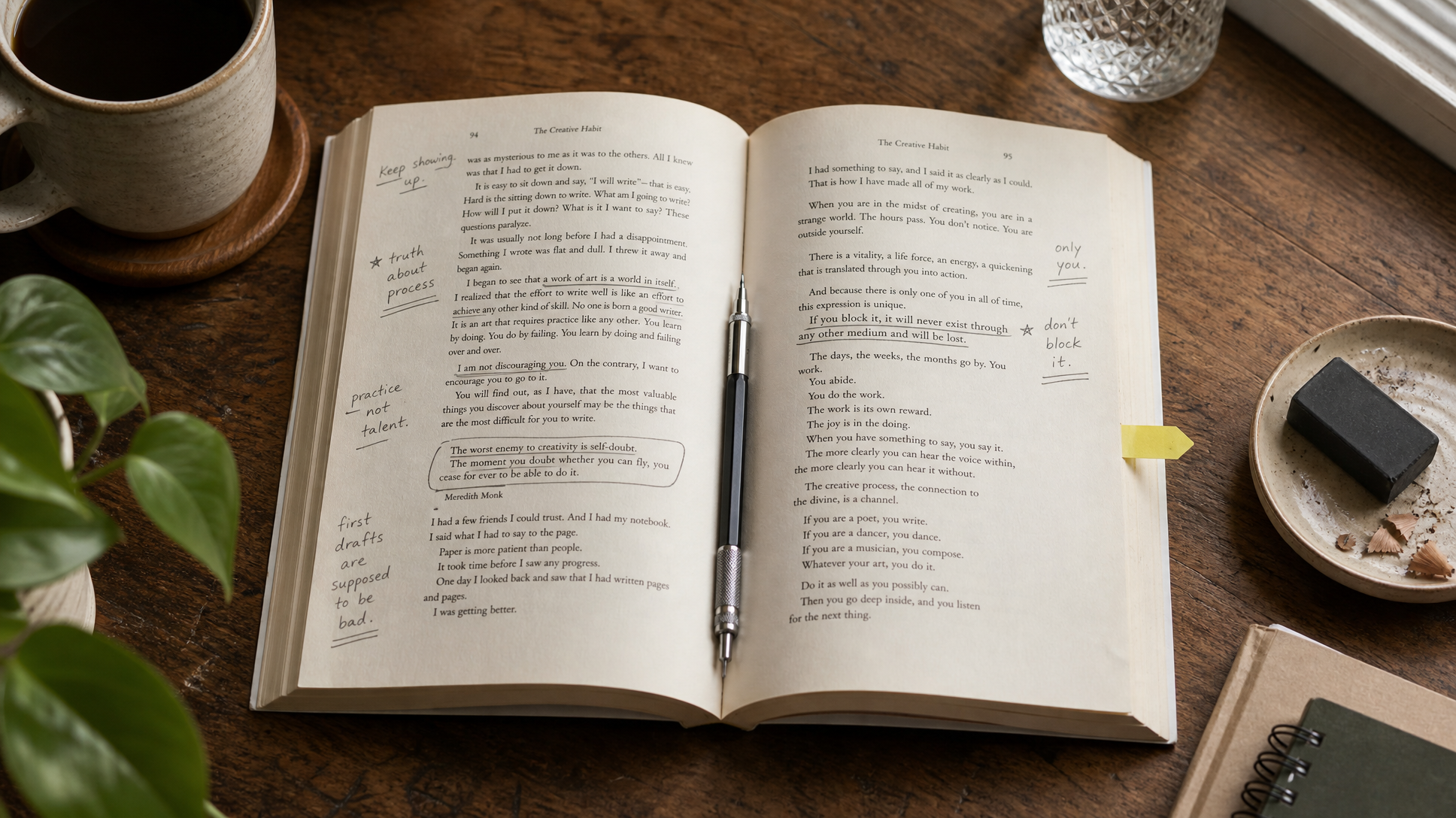
Students and researchers have been slow to fully switch to digital, and it makes sense. Physical textbooks let you annotate in the margins, dog-ear pages, flip between chapters without losing your place, and spread multiple books across a desk simultaneously. eBook annotation tools have improved, but they still can't replicate the speed and flexibility of a pen on paper when you're working through dense material.
There's also a practical issue: many professors and courses still specify physical editions, and used print textbooks remain significantly more affordable than buying new — especially when you can resell them afterward.
Gifts
You cannot wrap a PDF. An eBook gift card is a fine gesture, but a physical book — chosen thoughtfully, maybe with a handwritten note tucked inside — is a different kind of present. It says something. It sits on a shelf. It gets lent to a friend. If you're buying for someone else, print almost always lands better, even if the recipient also reads digitally.
If you're not sure what to pick for someone whose taste you don't know well, this guide on buying books as gifts is worth a read before you decide.
Where eBooks Actually Make Sense
Fairness matters here. eBooks are genuinely better in some situations, and pretending otherwise would be dishonest.
If you travel frequently and want a library in your bag, a Kindle or tablet wins on pure convenience. If you're reading a long genre series — think thick fantasy or thriller installments — and you're primarily reading on a commute, digital is practical. eBooks are also useful for readers who prefer adjustable font sizes, or who want to read in the dark without disturbing anyone.
The honest answer is: most dedicated readers use both formats depending on the situation. The question is which format to default to for a given category or purchase.
The Used Book Angle: A Reason Print Wins on Price Too
Here's something the eBook conversation often ignores: you can buy a used physical book. You cannot buy a used eBook.
A gently used paperback copy of a novel or a lightly annotated textbook can cost a fraction of the new price — and often a fraction of the eBook price too. For budget-conscious readers, this is a significant advantage. The secondhand market for physical books is robust and well-established, and the environmental case for extending a book's life through resale is a genuine bonus.
This is especially relevant for students, who often need specific editions of textbooks they'll only use for one semester, and for readers who want to work through a long backlist without spending a lot.
So, What Should You Actually Buy?
Here's a simple way to think about it:
- Buying for a child? Print, always.
- Buying a gift? Print — it's a physical object someone can hold and keep.
- Illustrated, art, or graphic novel? Print, unless you have a high-quality color tablet and don't mind the compromise.
- Academic textbook? Print (used if possible) — you'll annotate it, and you can resell it.
- Long genre series you're reading on a commute? eBook is a reasonable call.
- Trying to save money on a novel you'll read once? Used print or eBook — compare the prices and pick the cheaper one.
The format decision isn't ideological. It's practical. Match the format to how you'll actually use the book.
ErgodeBooks carries new and gently used print titles across every category mentioned here — fiction, children's books, graphic novels, academic texts, and more — all shipping from the USA to readers worldwide. Browse the full print catalog at ergodebooks.com, and use code WELCOME5 for 5% off your first order.
Frequently Asked Questions
Do physical books actually outsell eBooks overall?
In the United States, print books have consistently outsold eBooks by unit volume in recent years, particularly in children's, illustrated, and non-fiction categories. eBooks have a stronger share in certain adult fiction genres, especially romance and genre fiction read on dedicated devices. The gap between formats varies significantly by category, which is why it's more useful to think format-by-category rather than declaring one winner overall.
Is buying a used physical book worth it compared to a cheaper eBook?
Often, yes — especially for textbooks and popular fiction with large print runs. A gently used copy can cost less than the digital edition, and you get the full physical experience: marginalia, resale value, and no DRM restrictions. It's worth comparing prices directly before you decide, since the gap varies by title.
Are gently used books in good enough condition to read comfortably?
Generally, yes. "Gently used" typically means the book has been read but shows only minor wear — a slightly creased spine, perhaps a previous owner's name inside. For reading purposes, this makes no meaningful difference. For gifts or collector copies, it's worth looking for new or like-new condition specifically.
Can I get physical books shipped internationally from ErgodeBooks?
Yes. ErgodeBooks ships from the USA to readers worldwide, covering both new and used titles across all genres. Shipping options and times will vary by destination, so it's worth checking the details at checkout for your specific location.